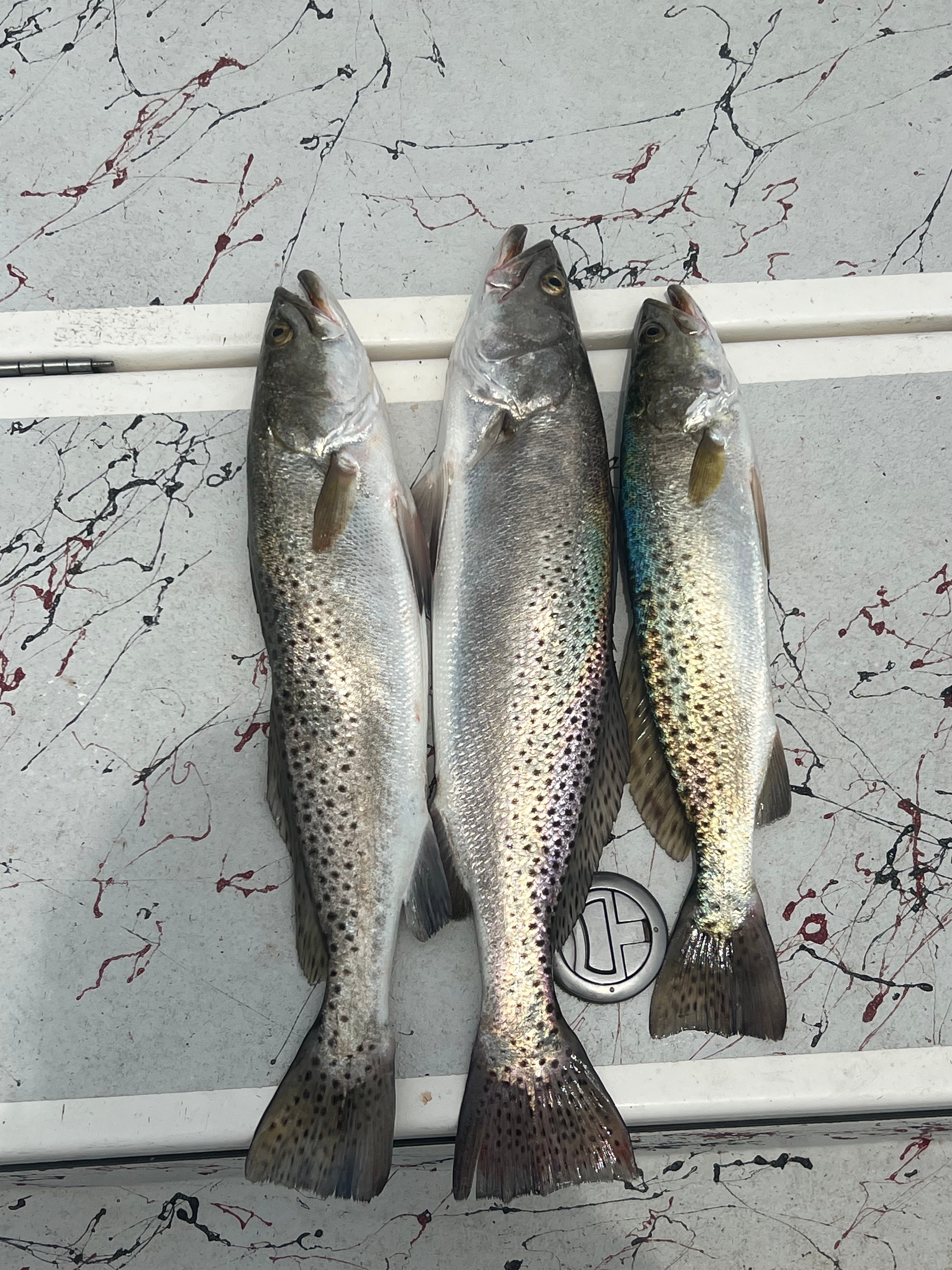
Beginner's Guide to Redfish Fishing at South Padre Island
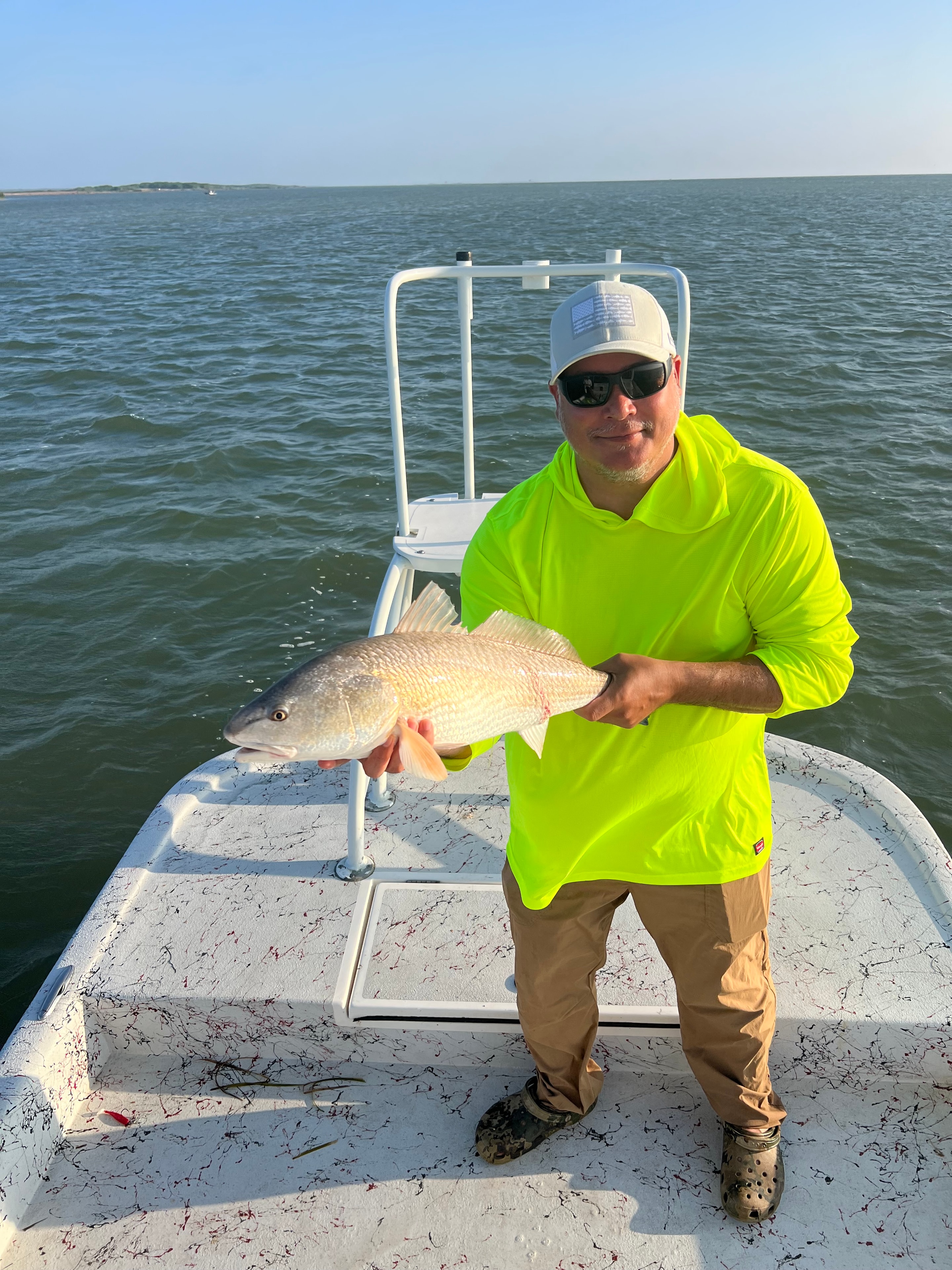
If you have never caught a redfish, South Padre Island is one of the best places in the world to fix that.
The Lower Laguna Madre — the shallow, protected bay system that runs behind South Padre Island — holds one of the healthiest redfish populations on the Texas Gulf Coast. The water is clear, the fish are big, and the action can be fast. On a good day, a complete beginner can land multiple reds before lunch.
This guide covers everything you need to know before your first redfish trip: what redfish are, why the Laguna Madre is special, what gear you need, how to find and catch them, and why booking a guided charter is the single best decision a beginner can make.
What Is a Redfish?
Redfish — also called red drum or channel bass — are one of the most popular inshore game fish in the Gulf of Mexico. They are built for shallow water: a bronze-copper body, a distinctive black spot near the tail, and a downturned mouth designed for rooting crabs and shrimp off the bottom.
They fight hard. A 25-inch redfish in shallow water will run line off your reel and test your drag in a way that surprises most first-timers. They are also excellent table fare — firm, white meat that holds up well to almost any cooking method.
In Texas, redfish are managed by Texas Parks and Wildlife. The slot limit is 20–28 inches, with one fish over 28 inches allowed per person per day as an oversized trophy. Most fish you catch in the Laguna Madre will fall right in the middle of the slot — healthy, legal, and absolutely worth keeping if you want a meal.
Why South Padre Island Is World-Class Redfish Water
The Lower Laguna Madre is one of the most productive inshore fisheries in North America. A few things make it exceptional for redfish specifically.
Shallow, clear water. The Laguna Madre averages just 2–4 feet deep across most of its fishable area. That shallow water warms quickly in spring, holds heat through fall, and stays productive even in winter. Clear water means you can often see redfish before you cast — sight fishing for tailing reds on the flats is one of the most exciting experiences in inshore fishing.
Year-round population. Unlike many fisheries where redfish migrate offshore in winter, the Laguna Madre holds fish twelve months a year. The population is resident — these fish live here, not just pass through.
Protected bay system. The Laguna Madre is sheltered from Gulf swells by the barrier island. Even on windy days, there are protected areas where the water stays fishable. This matters a lot for beginners who might otherwise get skunked by rough conditions.
Abundant forage. The Laguna Madre is rich in the crabs, shrimp, and mullet that redfish eat. Well-fed fish are active fish, and active fish are catchable fish.
Redfish Seasons on the Laguna Madre
Redfish are catchable every month of the year at South Padre Island, but the experience changes with the seasons.
Spring (March–May) is one of the best times for beginners. Water temperatures are rising, fish are moving onto the flats, and the weather is comfortable. Redfish are aggressive and feeding actively after a slow winter. Expect fish in the 18–26 inch range in good numbers.
Summer (June–August) brings heat and some of the most exciting sight fishing of the year. Early morning trips — starting at first light — are essential in summer. By 9 AM the flats can get too hot and bright for comfortable fishing, but the first two hours of daylight can be spectacular. Tailing redfish on the flats in calm summer mornings is something you will not forget.
Fall (September–November) is arguably the best all-around season. Water temperatures are cooling, fish are feeding heavily to build reserves for winter, and the weather is more forgiving than summer. October and November are peak months for large redfish — fish in the 24–28 inch range are common. This is also when flounder are migrating through, so you may catch multiple species on the same trip.
Winter (December–February) surprises most people. Redfish are cold-tolerant and stay active on the flats even when temperatures drop. Between cold fronts — which can shut down fishing for a day or two — the fishing can be exceptional. Clear skies, calm water, and no crowds make winter a favorite season for experienced anglers. See our winter fishing guide for a full breakdown.
Gear for Beginner Redfish Fishing
The good news for beginners: redfish do not require expensive or complicated gear. Here is what works.
Rod and reel. A medium-light to medium spinning rod in the 7-foot range paired with a 2500–3000 size spinning reel is the standard setup for Laguna Madre redfish. Spinning gear is easier to cast accurately than baitcasting gear, which matters when you are targeting fish in specific spots.
Line. 10–15 lb braided line with a 20–30 lb fluorocarbon leader is the go-to setup. Braid gives you sensitivity and casting distance. Fluorocarbon is nearly invisible in clear water and abrasion-resistant against oyster bars and grass.
Terminal tackle. A 1/4 oz jig head with a soft plastic paddle tail or shrimp imitation is the most versatile redfish lure in the Laguna Madre. Gold spoons are also extremely effective — they have been catching Laguna Madre reds for decades. For live bait, nothing beats a live shrimp under a popping cork.
What you do not need. You do not need a boat, a kayak, waders, or any specialized equipment to catch redfish on a guided charter. Captain Kevin provides all rods, reels, tackle, bait, and equipment. You show up, and everything is ready.
How to Catch Redfish: Basic Techniques
Redfish are not complicated fish. They are opportunistic feeders that respond well to a few reliable presentations.
Sight fishing. In clear, shallow water, you can often spot redfish before you cast. Look for bronze shapes moving slowly along the bottom, tails breaking the surface as fish root for crabs, or nervous water — a subtle disturbance that indicates fish moving just below the surface. Cast 3–5 feet ahead of the fish and let the lure sink to the bottom. A slow, twitching retrieve often triggers a strike.
Popping cork. A live shrimp under a popping cork is one of the most effective and beginner-friendly redfish rigs in existence. The cork makes noise when you pop it, which attracts fish from a distance. The shrimp does the rest. This rig works in grass flats, along channel edges, and around structure.
Jig fishing. A soft plastic on a jig head worked slowly along the bottom is deadly for redfish. The key is keeping contact with the bottom — redfish feed downward, and a lure that stays in the strike zone longer catches more fish.
Gold spoon. A 1/2 oz gold weedless spoon is a classic Laguna Madre lure. Cast it past a fish, let it sink briefly, and retrieve it with a slow, steady wobble. The flash and vibration trigger reaction strikes even from fish that are not actively feeding.
Why a Guided Charter Is the Best Way to Start
You could rent a kayak, buy some tackle, and figure it out on your own. Some people do. Most of them catch very little on their first few trips.
The Laguna Madre is a big, complex fishery. Knowing where to go on any given day — based on wind, tide, water temperature, and recent fish movement — takes years of experience to develop. Captain Kevin has been fishing this bay his entire life. He knows where the fish are today, not just where they were last week.
On a guided charter, you spend your time fishing, not searching. You learn faster because you are catching fish, not staring at empty water. You leave with a real understanding of how the fishery works, which makes every future trip — guided or on your own — more productive.
A charter also removes every logistical barrier. No boat to launch, no tackle to buy, no license to purchase. Captain Kevin's Texas Registered Guide license covers all guests. You just show up at the dock.
Pricing: $550 for 2 people, $100 per additional angler, maximum 4 guests. 6-hour trip. All equipment provided. See full charter details and book your trip.
What to Expect on Your First Redfish Charter
Most charters launch from the South Padre Island area around sunrise or shortly after. Captain Kevin will brief you on the day's plan — where you are going, what you are targeting, and how to fish the specific conditions.
Expect to move. The Laguna Madre is a big bay, and finding fish often means running to a few different spots before settling in. This is normal and part of the process. When you find fish, you stay until the bite slows, then move again.
Bring sunscreen, polarized sunglasses (essential for sight fishing), a hat, and water. Dress in layers in cooler months — mornings on the bay can be cold even when the afternoon warms up. Everything else is provided.
Most first-timers are surprised by how physical redfish are. A 24-inch red in 18 inches of water is a different experience than anything you have caught in a lake or off a pier. Be ready for a real fight.
Frequently Asked Questions
Do I need any fishing experience to book a redfish charter? None at all. Captain Kevin works with complete beginners regularly and will teach you everything you need to know on the water. The most important thing you can bring is patience and a willingness to follow instructions.
What is the best month for a beginner to catch redfish at South Padre Island? October and November are ideal — fish are large, feeding aggressively, and the weather is comfortable. Spring (March–May) is also excellent. Summer works well for early morning trips. Winter is productive between cold fronts.
How big are the redfish at South Padre Island? Most fish in the Laguna Madre run 18–28 inches, which is right in the legal slot. Fish in the 24–27 inch range are common in fall. Oversized bulls — fish over 28 inches — are caught regularly and can be kept as a trophy (one per person per day).
Can I keep the fish I catch? Yes. The Texas slot limit for redfish is 20–28 inches, with one oversized fish allowed per person per day. Captain Kevin will clean your catch at the end of the trip if you want to take fish home.
Is redfish good to eat? Excellent. Redfish has firm, white meat with a mild flavor. It holds up well to blackening, grilling, baking, or frying. A 24-inch red yields two solid fillets — enough for a good meal for two people.
Ready to book your South Padre Island charter?
Spots fill fast — especially on weekends and holidays. Secure your date with Captain Kevin today.
Licensed USCG Captain · Private Bay Charters · South Padre Island, TX