South Padre Island Fall Fishing — Redfish, Snook, Black Drum & What to Expect in October
Fall is the season that separates the anglers who know the Lower Laguna Madre from the ones who do not.
Most people think of South Padre Island as a spring and summer destination. They are not wrong — the summer fishing is excellent. But the anglers who show up in October and November know something the crowds do not: fall on the Laguna Madre is arguably the best fishing of the entire year. The water cools just enough to trigger aggressive feeding behavior across every target species. The summer heat breaks. The boat traffic drops off sharply. And the fish — redfish, snook, black drum, speckled trout, flounder — are all in prime condition and actively feeding before winter.
I have been guiding fall charters on South Padre Island for over a decade. Here is exactly what to expect.
Why Fall Fishing on the Laguna Madre Is Different
The Lower Laguna Madre is a shallow, hypersaline bay system — the only one of its kind in the United States. It averages about three feet deep across most of its 110,000 acres. That shallowness is what makes fall fishing so productive: as air temperatures drop and water temperatures cool from the summer highs of 88–92°F into the mid-70s, fish that have been holding in deeper, cooler water all summer move back onto the shallow flats and grass beds where they are accessible and aggressive.
The trigger is water temperature. When the Laguna Madre cools below 80°F — typically in late September and early October — the feeding behavior changes noticeably. Fish that were lethargic and selective in the summer heat become active, territorial, and willing to chase. The fall feeding window is real, and it lasts from October through the first cold fronts of November.
The other factor is bait. Fall brings massive concentrations of mullet, shrimp, and finger mullet into the Laguna Madre. Predator fish follow the bait, and the bait concentrations in fall are the largest of the year. When you find the bait schools, you find the fish.
Redfish: The Primary Fall Target
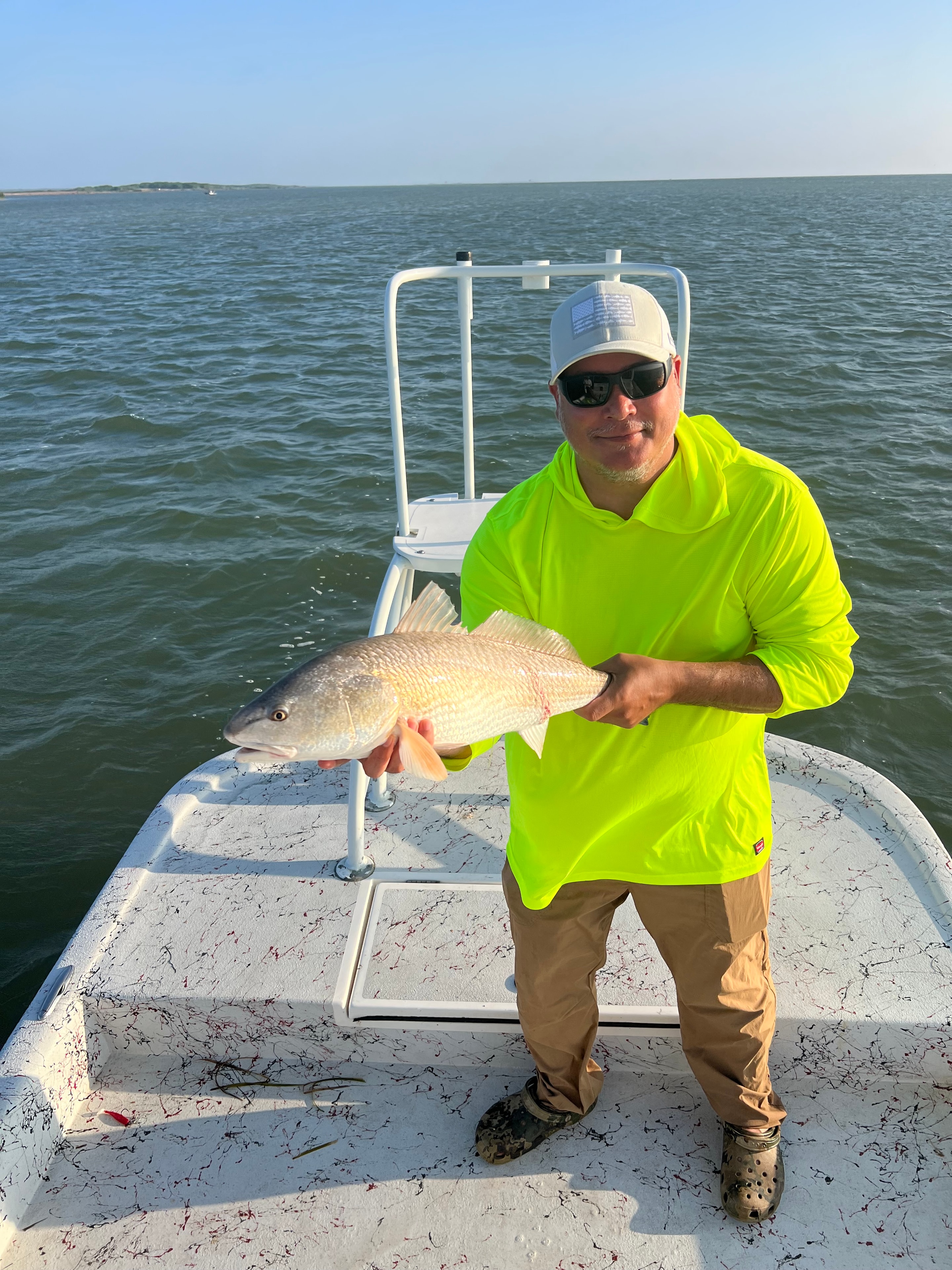
Redfish are the anchor of fall fishing on the Lower Laguna Madre, and October is one of the best months of the year to target them.
Fall redfish behavior is driven by two things: feeding aggression and schooling. As water temperatures drop, redfish begin feeding heavily to build reserves for winter. Fish that have been spread out across the bay all summer start to school up in predictable locations — shallow grass flats, sandy pockets near structure, and the edges of the ICW spoil islands. When you find a school of fall redfish, you can catch multiple fish from the same location.
Where to find them: The east side of the Laguna Madre — the shallow grass flats between the ICW and the Gulf shoreline — is the most productive fall redfish habitat. Look for fish tailing in 12–18 inches of water on calm mornings. The spoil islands along the ICW hold fish on their shaded sides during midday. On overcast days, redfish move more freely across the flats and are easier to locate.
What works: A gold or copper spoon is the most versatile fall redfish lure on the Laguna Madre. It covers water quickly, triggers reaction strikes, and works in both clear and slightly stained conditions. A popping cork with a live shrimp or a 3-inch paddle tail on a 1/8 oz jig head is the most consistent producer when fish are feeding actively. Sight fishing with a topwater plug on calm mornings produces some of the most exciting strikes of the year — a bull red crushing a topwater in 18 inches of water is something you do not forget.
Size: October redfish on the Laguna Madre run large. Slot fish in the 24–27 inch range are common, and oversized bulls in the 30–35 inch range show up regularly in fall schools. These are the biggest, strongest fish of the year.
Snook: The Fall Bonus Species
Snook are the most exciting bonus species in fall South Padre Island fishing, and October is the last reliable month to target them before water temperatures push them into their winter holding areas.
South Padre Island sits at the northern edge of the snook's natural range. The Laguna Madre holds a resident population of common snook that are most active from June through October, when water temperatures stay above 65°F. As fall arrives and water temperatures begin to drop, snook feed aggressively — they know winter is coming and they are putting on weight.
Where to find them: Snook in fall concentrate near structure — dock pilings, bridge supports, mangrove edges, and the mouths of the cuts and channels that connect the back bays to the main Laguna. The Port Isabel area and the channels near the Queen Isabella Causeway hold snook consistently in fall. Early morning and late afternoon are the most productive windows.
What works: Live finger mullet is the most reliable snook bait on the Laguna Madre in fall. A 4–5 inch finger mullet on a 3/0 circle hook, fished near structure with minimal weight, is the standard presentation. For artificial lures, a suspending twitch bait worked slowly near structure produces strikes when snook are holding tight. A DOA Shrimp or a soft plastic jerkbait in natural colors also works well.
Important note: Snook are catch-and-release only in Texas. Every snook you catch on the Laguna Madre goes back in the water. Handle them carefully — wet your hands before touching the fish, keep them in the water as much as possible, and revive them fully before release.
Black Drum: The Underrated Fall Species
Black drum do not get the attention that redfish and snook do, but fall is when black drum fishing on the Laguna Madre is at its best — and the fish are genuinely impressive.
Black drum begin moving into the Laguna Madre from the Gulf in fall, following the same temperature cues that drive redfish behavior. By October, large drum in the 20–40 pound range are working the grass flats and oyster reefs, rooting for crabs, shrimp, and shellfish. These are powerful fish on light tackle — a 30-pound black drum in shallow water will test your gear.
Where to find them: Black drum in fall concentrate on oyster reefs, grass flat edges, and the sandy pockets near the ICW. They are often visible — look for fish with their tails up, rooting in the bottom. The Laguna Madre's clear water makes sight fishing for black drum genuinely possible on calm days.
What works: Natural baits outperform artificials for black drum. A fresh crab — fiddler crab or blue crab — on a 3/0 circle hook with a light egg sinker is the most reliable presentation. Live shrimp works well when drum are actively feeding. For artificials, a slow-rolled soft plastic crab imitation near the bottom produces strikes when fish are in a feeding mood.
Weather Patterns: Reading the Fall Fronts
Fall weather on South Padre Island follows a predictable pattern that directly affects fishing quality. Understanding the cold front cycle is the key to timing your trip.
Pre-front: The 24–48 hours before a cold front arrives are often the best fishing of the fall. Barometric pressure drops, fish sense the change, and feeding activity spikes. This is the window when topwater lures produce the most strikes and fish are most aggressive. If you can be on the water the day before a front, do it.
During the front: When a cold front actually arrives — typically with north winds of 15–25 knots and a sharp temperature drop — fishing slows significantly. Fish move off the shallow flats and into deeper water. This is not a good time to be on the water, and the Laguna Madre can get rough with north winds.
Post-front: The 2–3 days after a cold front are a transition period. Water temperatures drop, fish are temporarily less active, and the bite is slower. However, as the water stabilizes and the sun warms the shallow flats, fish move back up and begin feeding again. The post-front bite on the Laguna Madre typically recovers within 48–72 hours.
The sweet spot: The best fall fishing windows are the 3–5 day periods between cold fronts — after the water has stabilized from the last front but before the next one arrives. October typically sees 2–3 cold fronts, which means there are multiple excellent fishing windows throughout the month.
Water temperature targets: The ideal fall fishing range on the Laguna Madre is 72–80°F. At these temperatures, all target species are active and feeding. Below 68°F, snook become less active and begin moving to winter holding areas. Below 65°F, the fishing transitions from fall patterns to winter patterns.
Bait and Tackle Recommendations
Fall fishing on the Laguna Madre does not require specialized gear, but matching your presentation to the conditions makes a significant difference.
Live bait: Live shrimp is the most versatile fall bait on the Laguna Madre. It works for redfish, black drum, speckled trout, and flounder under a popping cork or on a light jig head. Live finger mullet is the top choice for snook. Fiddler crabs and blue crab pieces are the most reliable black drum bait.
Artificial lures for redfish: Gold or copper spoon (1/4 oz), topwater plugs (Heddon Super Spook Jr., Rapala Skitter Walk) on calm mornings, paddle tail soft plastics on a 1/8 oz jig head in root beer or chartreuse, and a popping cork with a 3-inch shrimp imitation.
Artificial lures for snook: Suspending twitch baits (MirrOlure MirrOdine, Rapala X-Rap), DOA Shrimp in natural colors, soft plastic jerkbaits worked slowly near structure.
Tackle: Light to medium-light spinning tackle handles the majority of fall Laguna Madre fishing. A 7-foot medium-light rod with a 2500-series reel spooled with 10-pound braid and a 20-pound fluorocarbon leader covers most situations. For black drum, step up to a medium rod and 15-pound braid with a 25-pound leader.
All tackle is provided on Big Mother Bay Fishing charters — rods, reels, bait, and terminal tackle. You do not need to bring anything except sunscreen, food and drinks, and a valid Texas fishing license (or we can cover you under the guide's license).
What to Wear in October
October weather on South Padre Island is transitional. Morning temperatures can be in the low 60s after a cold front, warming into the mid-80s by afternoon. Layering is the right approach.
- **Base layer:** A lightweight moisture-wicking long-sleeve shirt provides sun protection and warmth in the morning
- **Mid layer:** A light fleece or zip-up for early morning departures and post-front days
- **Sun protection:** Polarized sunglasses are essential — they let you see fish in the water and protect your eyes from glare. A wide-brim hat and SPF 50+ sunscreen are non-negotiable on the Laguna Madre
- **Footwear:** Closed-toe shoes with non-slip soles. The boat deck gets wet
October vs. November: Which Month Is Better?
This is the most common question I get about fall fishing, and the honest answer is: it depends on what you are after.
October is the better month for snook. Water temperatures are still warm enough for active snook fishing, and the pre-front feeding windows in October are some of the most exciting fishing of the year. Redfish are aggressive and schooling. Black drum are moving in. The weather is comfortable and the crowds are minimal.
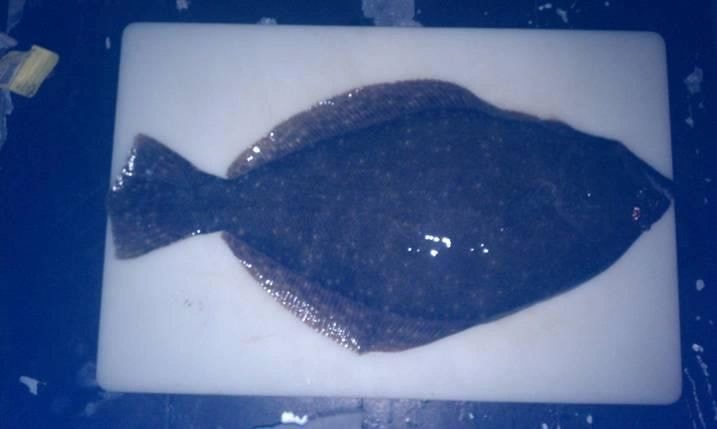
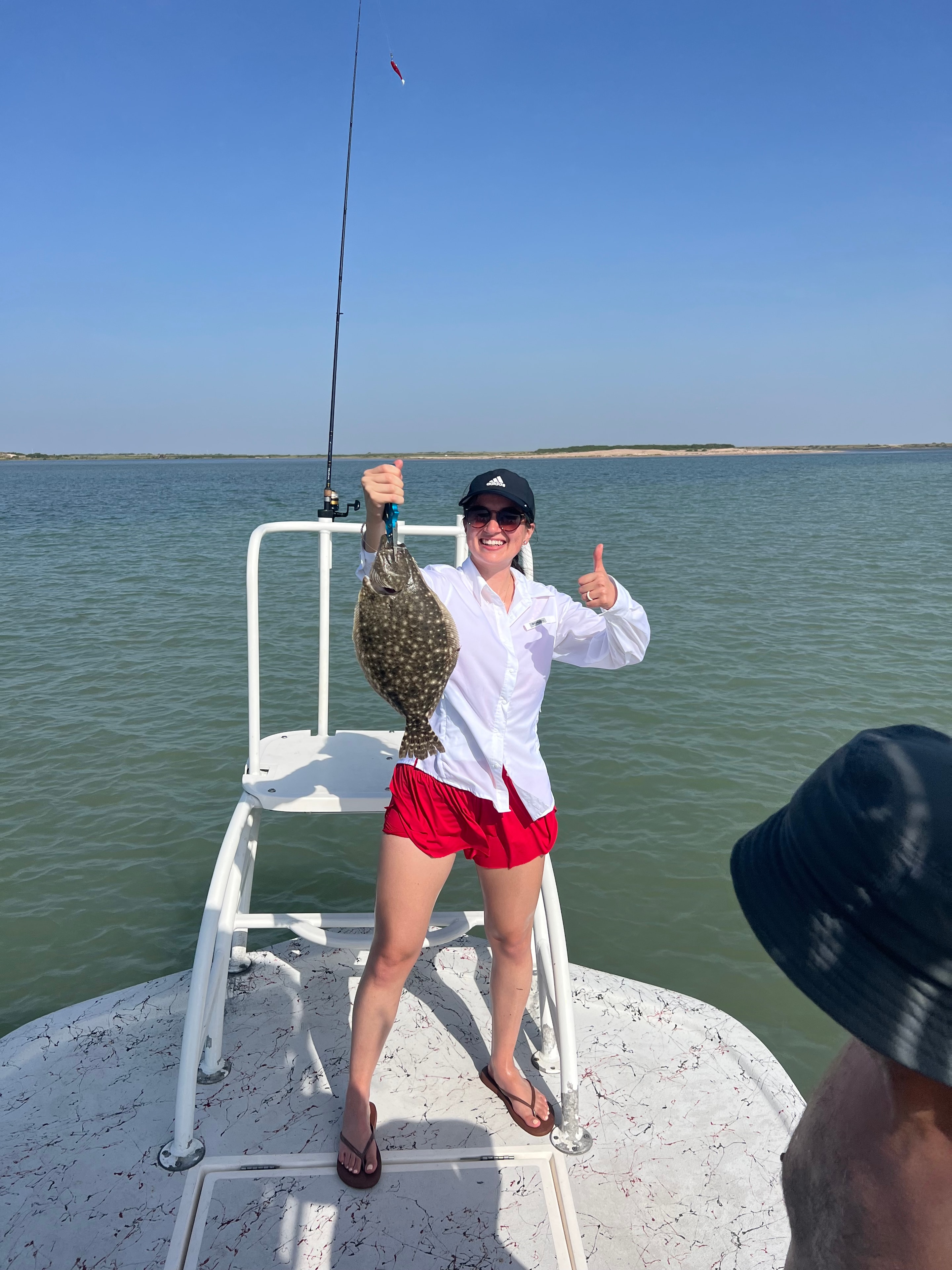
November is the better month for flounder. The flounder migration peaks in the first two weeks of November, concentrating fish in predictable locations near the passes and channel edges. November redfish are at their largest and heaviest of the year. The trout bite in November is often the best of the year.
If you can only make one fall trip, October is the more versatile month — you have a legitimate shot at all five target species in a single charter. By November, snook are becoming less reliable as water temperatures drop.
Book Your Fall Charter
Fall dates on the Laguna Madre fill faster than any other time of year. October and November weekends are typically booked 3–4 weeks in advance.
Charters run 6 hours, $550 for two guests, $100 per additional guest (maximum 4). A $100 non-refundable deposit holds your date. All tackle, bait, and fishing license coverage are included.
Book your fall charter — or call Captain Kevin directly to check availability and talk through the best dates for your trip.
If you are planning a fall trip and want to maximize your time on the water, the November fishing guide covers the flounder migration and the transition into winter patterns in detail. For the full winter picture, the winter fishing guide covers December through February.
Ready to book your South Padre Island charter?
Spots fill fast — especially on weekends and holidays. Secure your date with Captain Kevin today.
Licensed USCG Captain · Private Bay Charters · South Padre Island, TX