November Redfish Fishing South Padre Island — Fall Guide
If you only fish South Padre Island once a year, make it November.
The Lower Laguna Madre in November is as good as inshore bay fishing gets anywhere on the Texas Gulf Coast. The summer heat is gone. The crowds are gone. The flounder are running. And the redfish — the fish most anglers come here specifically to catch — are at their biggest, most aggressive, and most concentrated of the entire year.
This guide covers everything you need to know about November redfish fishing on South Padre Island: the water temperature thresholds that trigger the fall bite, the specific inshore locations where fish stack up, the techniques that consistently produce in fall conditions, and what to expect on a November charter with Big Mother Bay Fishing.
Why November Is the Best Month for Redfish
The Lower Laguna Madre is a shallow, hypersaline lagoon — most of it runs two to four feet deep. That shallowness is what makes it exceptional redfish water year-round, but November is when everything comes together at once.
Water temperature is the key driver. When the Laguna Madre cools from its summer highs of 85–90°F down into the 68–75°F range, redfish behavior shifts dramatically. They stop roaming the open flats and start staging in predictable locations. They feed more aggressively and for longer windows. And the big bull reds — fish in the 28–40 inch range that spent the summer offshore or scattered across the system — move into the shallower inshore bays in numbers.
The result is a combination that doesn't happen in any other month: large fish, concentrated locations, active feeding, and comfortable weather for anglers. October can be close, but November is consistently the peak.
The flounder factor. November also coincides with the peak of the flounder migration, when flounder move from the bay toward the Gulf passes to spawn. A November morning on the right flat can produce redfish, speckled trout, and flounder on the same trip — a true Texas inshore slam that's genuinely achievable in this window.
Water Temperature Thresholds for November Redfish
Understanding water temperature is the single most important piece of knowledge for November redfish fishing on the Laguna Madre. Here's exactly what to watch for:
85–90°F (summer range): Redfish are scattered and nomadic. They roam miles of grass flat. Fishing is good but requires covering water. This is the July–August pattern.
75–80°F (early fall transition): Fish begin staging near structure — spoil islands, channel edges, and the mouths of cuts. This is the late September–early October window. Fishing improves noticeably.
68–75°F (prime November range): This is the sweet spot. Redfish are concentrated, feeding actively, and holding in predictable locations. The bite window extends from first light through mid-morning and often picks back up in the late afternoon. This is the range that produces the best November fishing.
Below 65°F (cold front aftermath): After a strong cold front drops water temps below 65°F, redfish move to the deepest available water — channel edges, the Intracoastal Waterway, and protected coves with dark mud bottoms that hold heat. The bite slows for 24–48 hours, then rebounds strongly as fish adjust.
The practical takeaway: Check water temperature before your November trip. The NOAA buoy at the South Padre Island Coast Guard station gives real-time readings. If you're in the 68–75°F range, expect excellent fishing. If a cold front just pushed through, plan your trip for 2–3 days after the front passes.
Top Inshore Redfish Locations in November
The Lower Laguna Madre covers roughly 120 miles of Texas coastline, but November redfish concentrate in specific types of structure. Here are the locations that consistently produce in fall conditions:
The Grass Flats of the Lower Laguna Madre
The expansive seagrass beds between South Padre Island and the mainland are the primary redfish habitat year-round, but in November the fish use them differently than in summer. Rather than roaming the open flat, they stage along the edges — where grass meets sand, where a flat drops slightly deeper, or where a subtle depression holds slightly warmer water.
Look for tailing redfish in water 18–24 inches deep on calm November mornings. The combination of clear water and low sun angle makes sight fishing exceptional in November. You'll often see the fish before you cast.
The Spoil Islands
The chain of spoil islands along the Intracoastal Waterway creates some of the most productive redfish structure on the entire Laguna Madre. The islands create current breaks, shade, and depth variation that redfish use heavily in fall.
The leeward side of spoil islands — the side protected from the prevailing southeast wind — is particularly productive in November. Fish stack in the calm water behind the islands, especially on incoming tides when baitfish push through the cuts between islands.
The Land Cut
The Land Cut is a man-made channel connecting the upper and lower Laguna Madre, running through the King Ranch. In November, redfish stage along the edges of the Land Cut as they transition between the upper and lower systems. The channel edges hold fish throughout the day, not just during the morning bite.
The Causeway Flats
The flats adjacent to the Queen Isabella Causeway are some of the most accessible and productive redfish water near South Padre Island. The causeway pilings create structure, and the adjacent grass flats hold fish throughout the fall. November mornings on the causeway flats regularly produce double-digit redfish counts.
The Passes and Cuts
The tidal passes — Brazos Santiago Pass at the southern end of South Padre Island — funnel baitfish between the bay and the Gulf. In November, redfish stage near these passes to intercept migrating mullet and other baitfish. The pass edges and adjacent flats are particularly productive on outgoing tides.
Protected Coves After Cold Fronts
After a cold front drops water temperatures, the most productive locations shift to protected coves with dark mud bottoms. Dark mud absorbs heat faster than sand or grass, so these areas warm first after a front. Redfish move into these coves to find the warmest available water. The Laguna Madre has dozens of these coves — your captain will know which ones hold fish after each front.
Proven Techniques for November Redfish
Fall conditions call for specific presentations. Here's what works consistently on the Lower Laguna Madre in November:
Sight Fishing With Soft Plastics
November is the best month for sight fishing on the Laguna Madre. Clear water, calm mornings, and concentrated fish make it possible to spot individual redfish and make targeted casts. A 4-inch paddle tail on a 1/8 oz jig head is the most versatile presentation — it works in water from 12 inches to 4 feet deep and can be worked slowly enough to stay in the strike zone.
The key in November is a slow, deliberate retrieve. Cold water slows fish metabolism slightly, and a bait that moves too fast will get ignored. Let the soft plastic sink to the bottom, then work it with a slow lift-and-drop retrieve. Most strikes come on the fall.
Popping Corks
A popping cork rig with a live shrimp or soft plastic underneath is one of the most effective November presentations, particularly in slightly deeper water (2–4 feet) along grass flat edges and spoil island cuts. The popping action mimics a feeding fish and draws redfish from a distance.
Work the cork with sharp, short pops followed by a 3–5 second pause. The pause is when most strikes occur. In November, redfish will often follow the cork for several feet before committing — don't rush the retrieve.
Live Mullet and Shrimp
Live bait is consistently effective for November redfish, particularly for larger fish. Finger mullet — 3–4 inch juvenile mullet — are the preferred live bait during the fall mullet migration. Hook them through the back just behind the dorsal fin and free-line them along grass flat edges or near structure.
Live shrimp under a popping cork or free-lined near structure is equally effective and easier to keep alive on the boat. November shrimp are large — often 3–4 inches — which matches the size of forage redfish are targeting.
Gold Spoons
A 1/2 oz gold Johnson Silver Minnow or similar weedless spoon is a classic fall redfish lure that remains highly effective in November. The flash and vibration of a gold spoon in clear, shallow water triggers reaction strikes from redfish that might ignore a slower presentation.
Cast past the fish, let the spoon sink briefly, then retrieve at a steady medium pace just fast enough to keep the spoon off the bottom. Gold outperforms silver in the tannin-stained water of the Laguna Madre.
Topwater Lures at First Light
The first 30–45 minutes of daylight in November can produce explosive topwater action. Redfish feed aggressively on the surface in low-light conditions, and a walk-the-dog style topwater lure worked over shallow grass flats will draw violent strikes.
The Heddon Super Spook Jr. and the MirrOlure She Dog are proven topwater choices for Laguna Madre redfish. Work them with a steady walk-the-dog cadence and be ready — November topwater strikes are often the most aggressive of the year.
Cold Front Strategy for November
November on the Texas Gulf Coast means cold fronts — typically 2–3 per month, each dropping temperatures 10–20 degrees before conditions stabilize. Understanding how to fish around fronts is essential for a successful November trip.
Pre-front (24–48 hours before): Barometric pressure drops and fish feed aggressively. This is often the single best fishing window of the month. If you can time your trip to the day before a front arrives, do it.
During the front: Wind shifts to the north, water temperature drops, and fishing slows significantly. Fish move to deeper water and become less active. This is not a good time to fish.
Post-front (24–48 hours after): The best strategy is to wait. The bite rebounds strongly 1–2 days after a front passes as fish adjust to the new conditions and begin feeding again. The post-front bite in November often produces the largest fish of the trip.
Practical tip: Check the National Weather Service forecast for Brownsville/South Padre Island before booking. If a front is forecast to arrive on your planned trip date, see if you can shift by 2 days. The difference between fishing during a front and fishing 48 hours after can be dramatic.
What to Expect on a November Charter
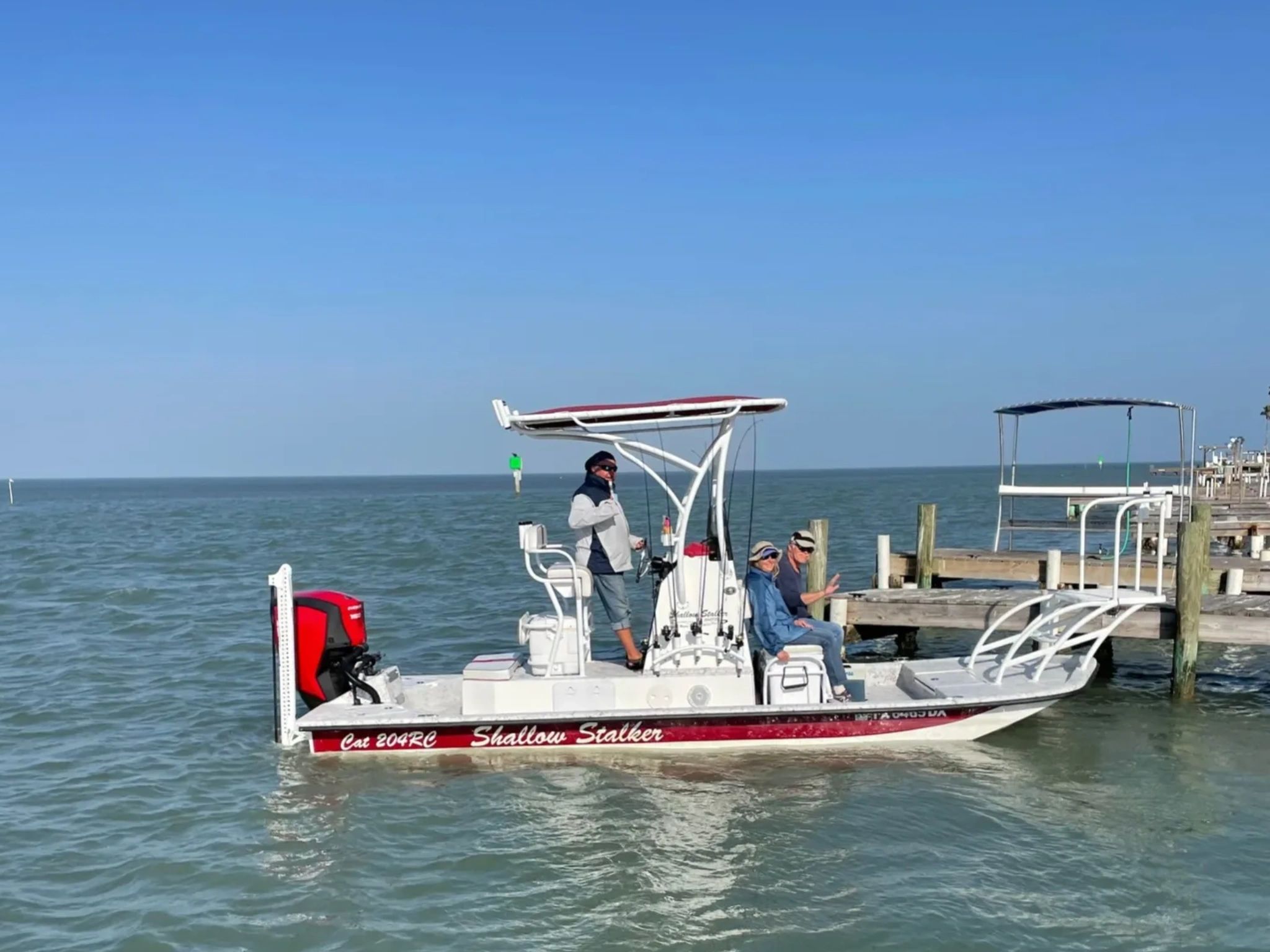
A typical November morning with Big Mother Bay Fishing starts before sunrise. We launch from South Padre Island and run to the first location — usually a grass flat or spoil island cut — before first light. The first hour of daylight is often the most productive of the day.
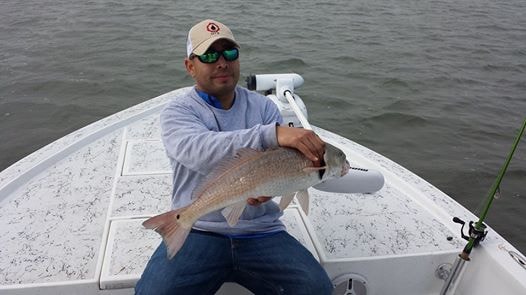
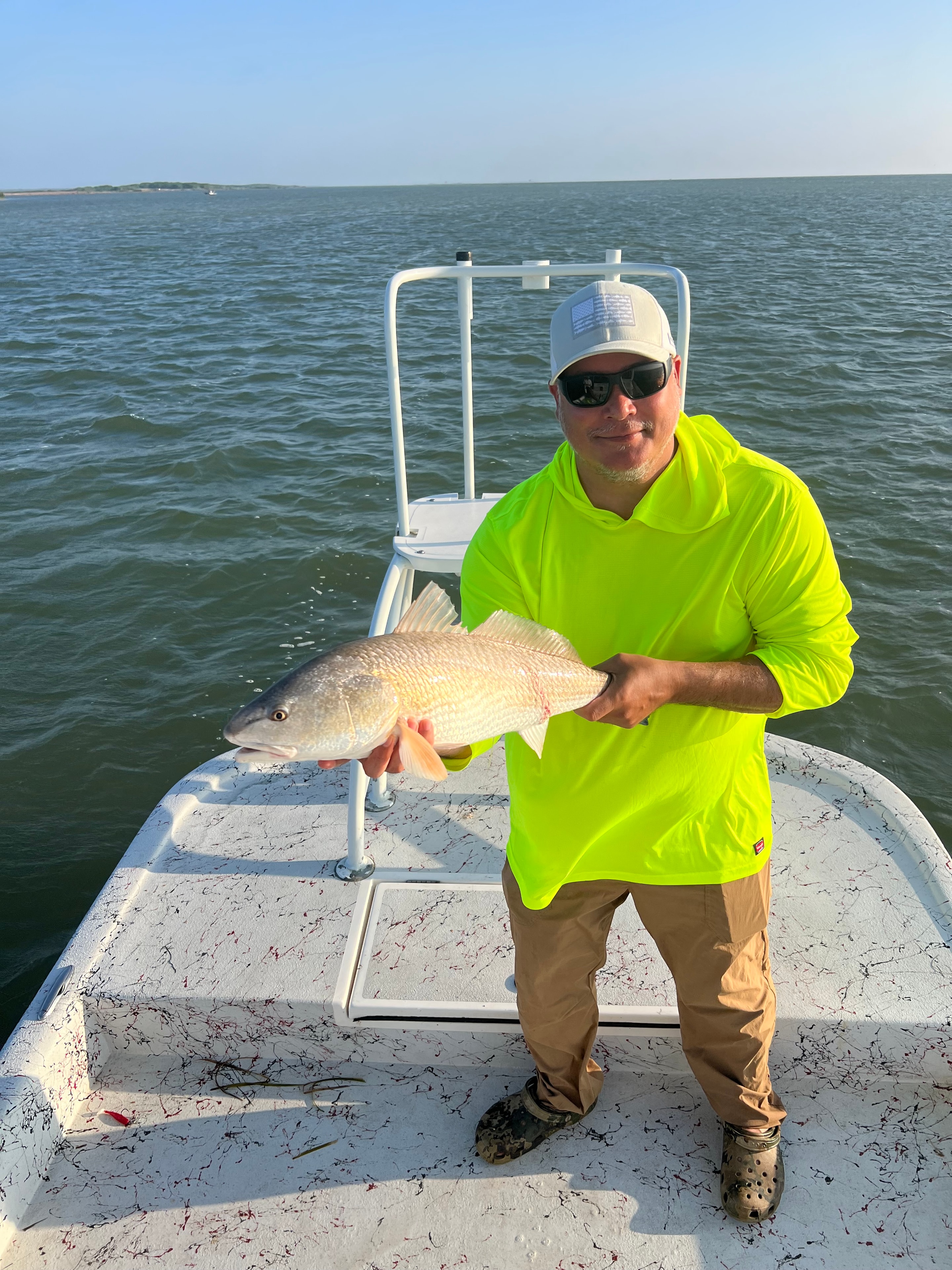
November charters regularly produce 10–20 redfish per trip, with a mix of slot fish (20–28 inches) and oversized bull reds. Multi-species trips — catching redfish, speckled trout, and flounder on the same morning — are genuinely common in November. It's not unusual to land all three species before 9 AM.
Charters run 4–6 hours. All tackle, bait, and bottled water are included. Fillet and packaging service is available at the end of the trip for an additional fee.
November booking note: November fills faster than any other month. The first two weeks of November and Thanksgiving week are typically booked 3–4 weeks in advance. If you're planning a November trip, don't wait to book.
November Redfish Fishing FAQ
What water temperature is best for November redfish at South Padre Island? The 68–75°F range produces the most consistent November redfish fishing. Fish are concentrated, feeding actively, and holding in predictable locations. Below 65°F, the bite slows temporarily after cold fronts but rebounds strongly within 48 hours.
What size redfish can I expect in November? November produces a mix of slot fish (20–28 inches) and oversized bull reds (28–40+ inches). The bull reds move into the Laguna Madre system in fall and are more available in November than any other month. A 30-inch-plus redfish is a realistic expectation on a November charter.
Is November good for species other than redfish? Yes — November is the peak of the flounder migration and speckled trout are feeding aggressively in shallow water. A Texas inshore slam (redfish, speckled trout, and flounder on the same trip) is genuinely achievable in November. Black drum also begin showing up in numbers in late November.
How far in advance should I book a November charter? Book 3–4 weeks in advance. November is the most popular month for South Padre Island fishing charters, and the best dates fill quickly. Thanksgiving week in particular books out early.
What should I bring on a November fishing charter? Layers are essential — November mornings can be cool (50–65°F at launch) but warm up significantly by mid-morning. A light jacket or fleece, polarized sunglasses, and sun protection are the basics. We provide all tackle, bait, and bottled water.
Book Your November Redfish Charter
November is the month that serious redfish anglers plan their South Padre Island trips around. The combination of concentrated fish, large bull reds, comfortable weather, and the possibility of a multi-species slam makes it the best fishing of the year.
Captain Kevin Nicholls has guided hundreds of November charters on the Lower Laguna Madre. He knows where the fish are, how they're behaving after each cold front, and which techniques are producing on any given day.
Don't wait — November dates fill fast. Contact us to check availability and book your fall redfish charter.
Ready to book your South Padre Island charter?
Spots fill fast — especially on weekends and holidays. Secure your date with Captain Kevin today.
Licensed USCG Captain · Private Bay Charters · South Padre Island, TX