Snook Fishing South Padre Island — Season, Techniques & Tackle Guide
There is a moment on the Lower Laguna Madre when the water temperature climbs above 75°F, the mullet start pushing through the grass flats, and the snook show up. Not in the numbers you find in Florida, but enough — and big enough — to make any angler's hands shake when one blows up on a topwater lure in two feet of water.
South Padre Island sits at the northern edge of the common snook's range in Texas. That means the fishery here is seasonal, weather-dependent, and not something every guide talks about. But if you know when to go and where to look, the Lower Laguna Madre produces some of the most exciting inshore fishing in the state.
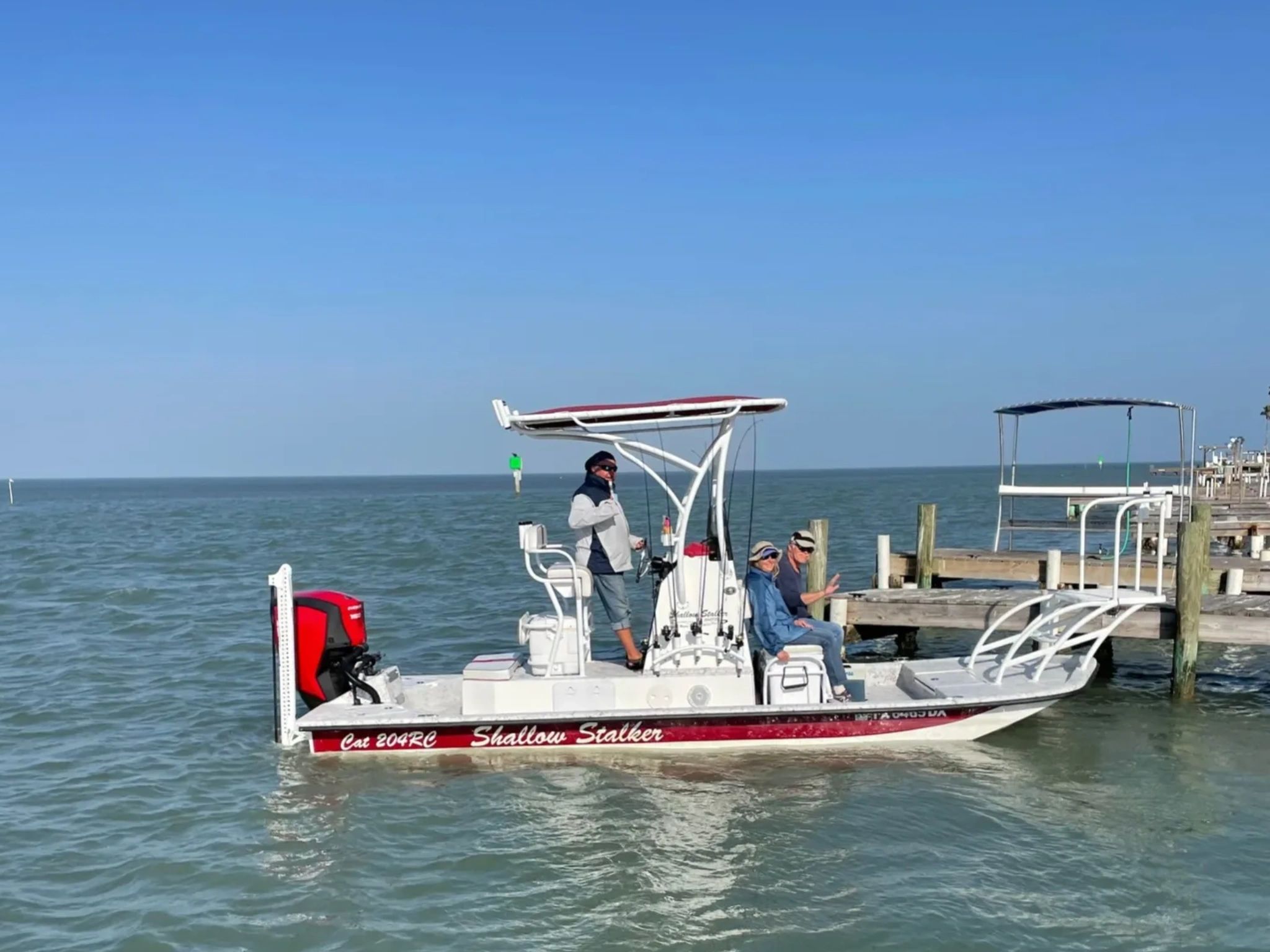
I have been guiding on these flats for years. Here is what you need to know about snook fishing at South Padre Island.
Why South Padre Island for Snook?
Most Texas anglers think of snook as a Florida fish. And they are right — the bulk of the Gulf Coast snook population lives in South Florida and the Keys. But the common snook (*Centropomus undecimalis*) ranges as far north as the Texas coast, and the Lower Laguna Madre is one of the few places in the state where you have a realistic shot at one from a bay boat.
The reason is geography. The Laguna Madre is a hypersaline lagoon — saltier than the open Gulf — with shallow, warm water that heats up fast in spring and holds heat well into fall. That warm, clear water is exactly what snook need. Add 110,000 acres of grass flats, oyster reefs, and tidal drains, and you have habitat that snook are built for.
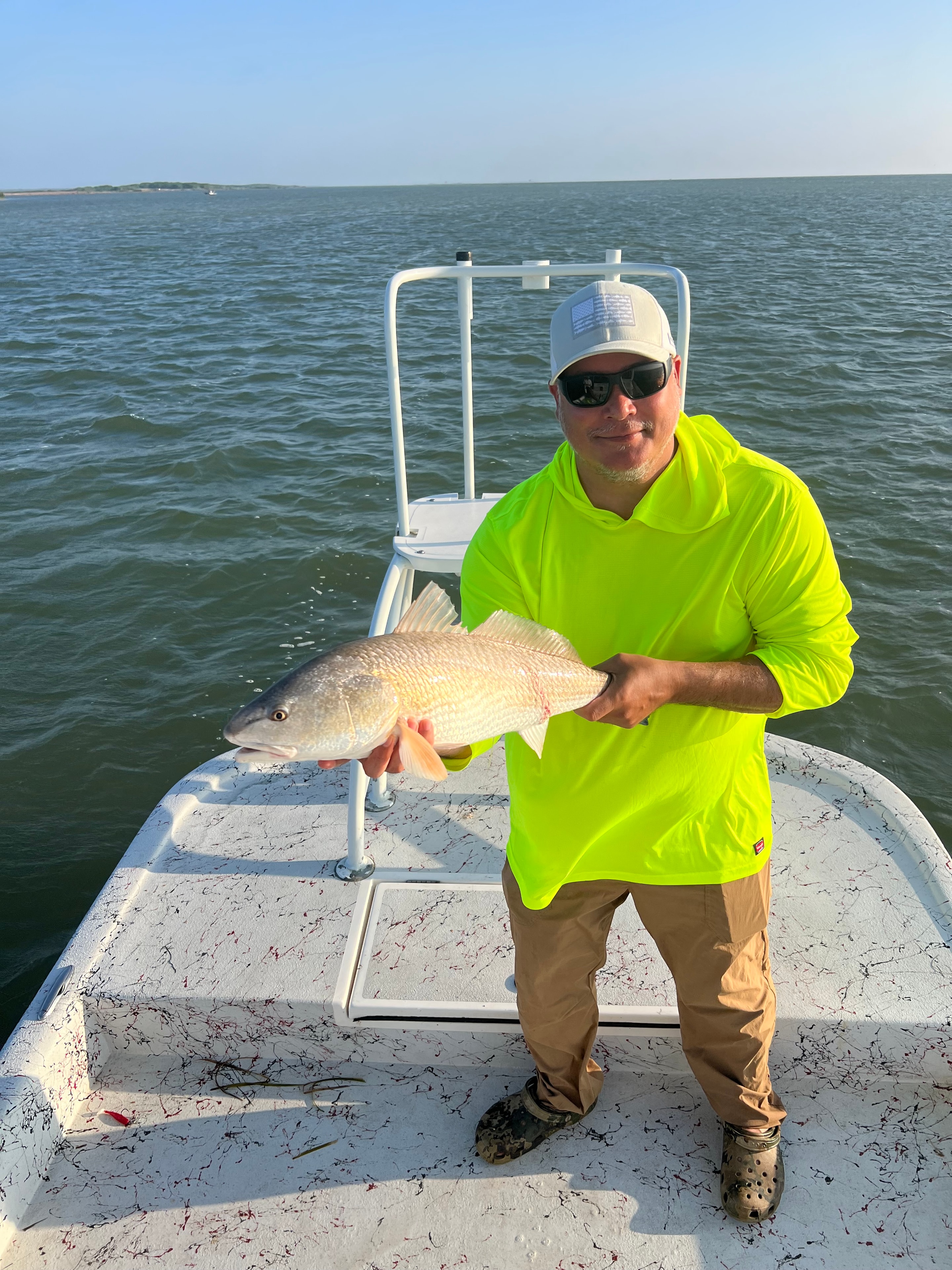
The fish here tend to run in the 18–28 inch range, with occasional fish pushing 30 inches or better. They are not the 40-inch giants you find in the Everglades, but they fight just as hard pound for pound, and catching one on light tackle in skinny water is an experience that stays with you.
Snook Season on the Lower Laguna Madre
Timing is everything with snook in Texas. These fish are cold-sensitive — more so than redfish or speckled trout — and they disappear from the shallows the moment water temperatures drop below 60°F. A hard freeze can kill them outright.
Spring (April–May): Snook begin showing up on the flats as water temperatures climb through the low 70s. Early season fish are often found near deeper channels and passes where the water warms first. Topwater lures and slow-sinking swimbaits work well as the fish shake off their winter lethargy.
Summer (June–September): Peak season. Water temperatures are consistently above 80°F, snook are actively feeding, and they push into the shallowest grass flats — sometimes in water barely deep enough to cover their backs. Early morning and late evening are the most productive windows. Midday heat pushes fish into shade structure: dock pilings, bridge shadows, and deeper grass edges.
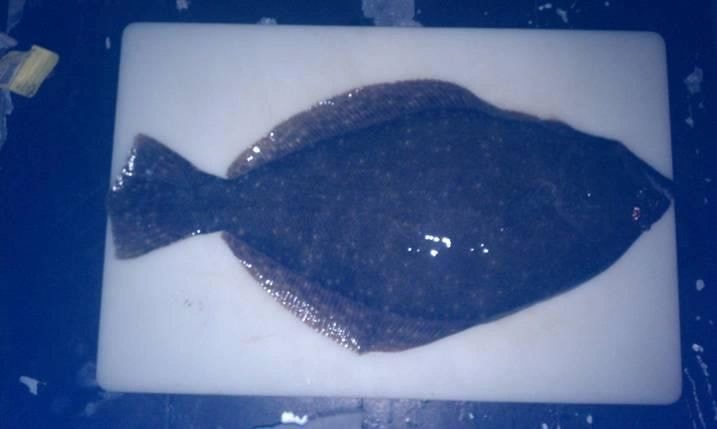
Fall (October–November): The transition period. Snook fishing can be excellent in October, especially in the first half of the month before cold fronts start pushing through. As water temperatures drop through the mid-70s, fish begin moving toward deeper, warmer water. By mid-November, most snook have left the shallow flats. This is also when the flounder migration peaks, so fall charters often produce both species.
Winter (December–March): Snook are largely absent from the fishable shallows. Cold-stunned fish occasionally wash up after hard freezes — a reminder of how close to the edge of their range we are here. Wait for spring.
Where to Find Snook on the Laguna Madre
Snook are ambush predators. They do not chase bait across open water — they hold in a position, wait for something to swim past, and explode on it. That behavior tells you exactly where to look.
Grass flat edges: The transition between open sand and thick seagrass is a snook highway. Fish hold just inside the grass edge, facing into the current, waiting for baitfish to be swept past. Wade-fishing or poling a shallow draft boat along these edges is one of the most effective approaches on the Laguna Madre.
Tidal drains and cuts: Any place where water moves in and out of a flat concentrates baitfish — and concentrates snook. Small cuts through the grass, natural drains, and the mouths of coves all hold fish during moving tides. The best bite often happens in the first two hours of an outgoing tide as bait gets flushed through these choke points.
Dock pilings and structure: Snook love shade and structure. The docks, pilings, and bridge supports around South Padre Island hold fish year-round, but especially during the heat of summer when fish seek relief from direct sun. Casting parallel to a dock face — not perpendicular — keeps your lure in the strike zone longer.
Passes and inlets: The Land Cut and the passes connecting the Laguna Madre to the Gulf are transition zones where snook stage during seasonal movements. Early spring and late fall are the best times to work these areas.
Techniques That Work
Snook are not complicated fish, but they are leader-shy and easily spooked in clear, shallow water. A few adjustments from standard bay fishing make a big difference.
Light fluorocarbon leader: Drop to 20–25 lb fluorocarbon leader in clear water. Snook have excellent eyesight and will refuse a bait presented on heavy monofilament in two feet of gin-clear Laguna Madre water. The fluorocarbon's near-invisibility is worth the trade-off in abrasion resistance.
Topwater lures: The walk-the-dog style topwater — a Heddon Super Spook Jr., a Rapala Skitter Walk, or a MirrOlure Top Dog — is the most exciting way to catch snook, and it works. Work it slowly in the early morning with long pauses. The strike is violent and visual. Be ready.
Soft plastic swimbaits: A 4-inch paddle tail swimbait on a 1/8 oz jig head is a workhorse for snook on the flats. Match the color to the bait in the water — white or chartreuse when mullet are around, pink or root beer when shrimp are the primary forage. Cast past the target, let it sink to the bottom, and retrieve with a slow, steady swim.
Live bait: When the bite is tough, nothing beats a live finger mullet or a live shrimp fished under a popping cork near structure. Free-lined live bait — no weight, no cork, just hook and leader — is deadly around dock pilings and grass edges. Let the bait swim naturally and hold on.
Presentation and stealth: More important than any lure choice is how you approach the fish. Snook in shallow, clear water spook at boat noise, shadows, and heavy footsteps. Pole or wade to within casting distance. Make long casts. Keep the sun at your back when possible. One spooked fish can put an entire flat on edge.
Tackle Recommendations
You do not need specialized gear for snook on the Laguna Madre, but a few specifics help.
- **Rod:** 7-foot medium-light to medium spinning rod with a fast action tip. Enough backbone to move a fish away from structure, but sensitive enough to feel a light bite.
- **Reel:** 2500–3000 size spinning reel with a smooth drag. Snook make short, powerful runs — a sticky drag costs fish.
- **Line:** 10–15 lb braided main line. The thin diameter cuts through current and allows longer casts with light lures.
- **Leader:** 20–25 lb fluorocarbon, 18–24 inches. Snook have a rough gill plate that can cut lighter leaders on a head shake — do not go below 20 lb.
- **Hooks:** For soft plastics, a 1/0 to 2/0 wide-gap hook. For topwaters, replace the factory trebles with quality Owner or Gamakatsu hooks — snook hit hard and the stock hardware on budget lures often fails.
Texas Snook Regulations
Snook in Texas are managed carefully because the population here is at the northern edge of its range and vulnerable to cold events. Current Texas Parks and Wildlife regulations set a 24-inch minimum size limit and a bag limit of 1 fish per person per day. There is also a closed season — check current regulations at tpwd.texas.gov before your trip, as these rules can change.
Catch-and-release is strongly encouraged for snook on the Laguna Madre. A released snook swims away to spawn again and to give the next angler the same thrill you just had. Handle fish quickly, keep them in the water as much as possible, and revive them fully before release.
What to Expect on a Snook Charter
Snook are not a guaranteed catch on every trip — that is part of what makes them special. On a good summer morning with the right tide and the right conditions, you might land two or three fish and miss twice as many. On a slow day, you might see one and blow the cast.
What I can promise is that we will be in the right places at the right times. The Lower Laguna Madre gives up snook to anglers who know where to look, and I have spent years learning those spots. We will also be targeting redfish and speckled trout on the same flats — so even on a day when the snook are not cooperating, you are fishing some of the best inshore water on the Texas coast.
The best snook fishing of the year happens from June through early October. If you want to target them specifically, book a summer or early fall charter and let me know — I will put together a trip focused on the shallow grass flats where these fish live.
The Lower Laguna Madre is 110,000 acres of shallow, warm, clear water. There are snook in there. Come find them.
Ready to book your South Padre Island charter?
Spots fill fast — especially on weekends and holidays. Secure your date with Captain Kevin today.
Licensed USCG Captain · Private Bay Charters · South Padre Island, TX