Winter Texan Fishing Guide: What to Expect on the Water at South Padre Island
Every fall, tens of thousands of seasonal visitors make their way to the Rio Grande Valley for the winter. Some come for the warmth. Some come for the golf. And a growing number come — or quickly discover — that the Lower Laguna Madre is one of the finest inshore fisheries in the country from November through March.
If you are a Winter Texan spending the season near South Padre Island and you have never fished these waters before, this guide is for you. Captain Kevin has been running bay charters on the Laguna Madre for years. Here is everything a first-timer needs to know before stepping on the boat: the gear, the species, and the tactics that actually work when the water gets cold.
---
Why Winter Is a Great Time to Fish South Padre Island
Most people assume fishing slows down in winter. On the Laguna Madre, the opposite is true — at least for the species that matter.
When water temperatures drop into the low 60s and upper 50s, fish stop roaming and start stacking. Speckled trout pile into deep channel edges where the water holds heat. Redfish cluster on sun-warmed mud flats in the afternoons. Black drum move onto oyster reefs and stay there for days at a time. Instead of covering miles of water looking for scattered fish, you go to the spots where they concentrate — and you find them.
The other advantage of winter fishing is the conditions. South Texas winters are mild compared to most of the country. A typical winter morning on the bay is calm, clear, and comfortable by 10 AM. The crowds that fill the water in summer are gone. You have the bay largely to yourself.
For a Winter Texan who has never fished the Laguna Madre, this is an ideal time to start.
---
The Three Species You Will Target
Speckled Trout
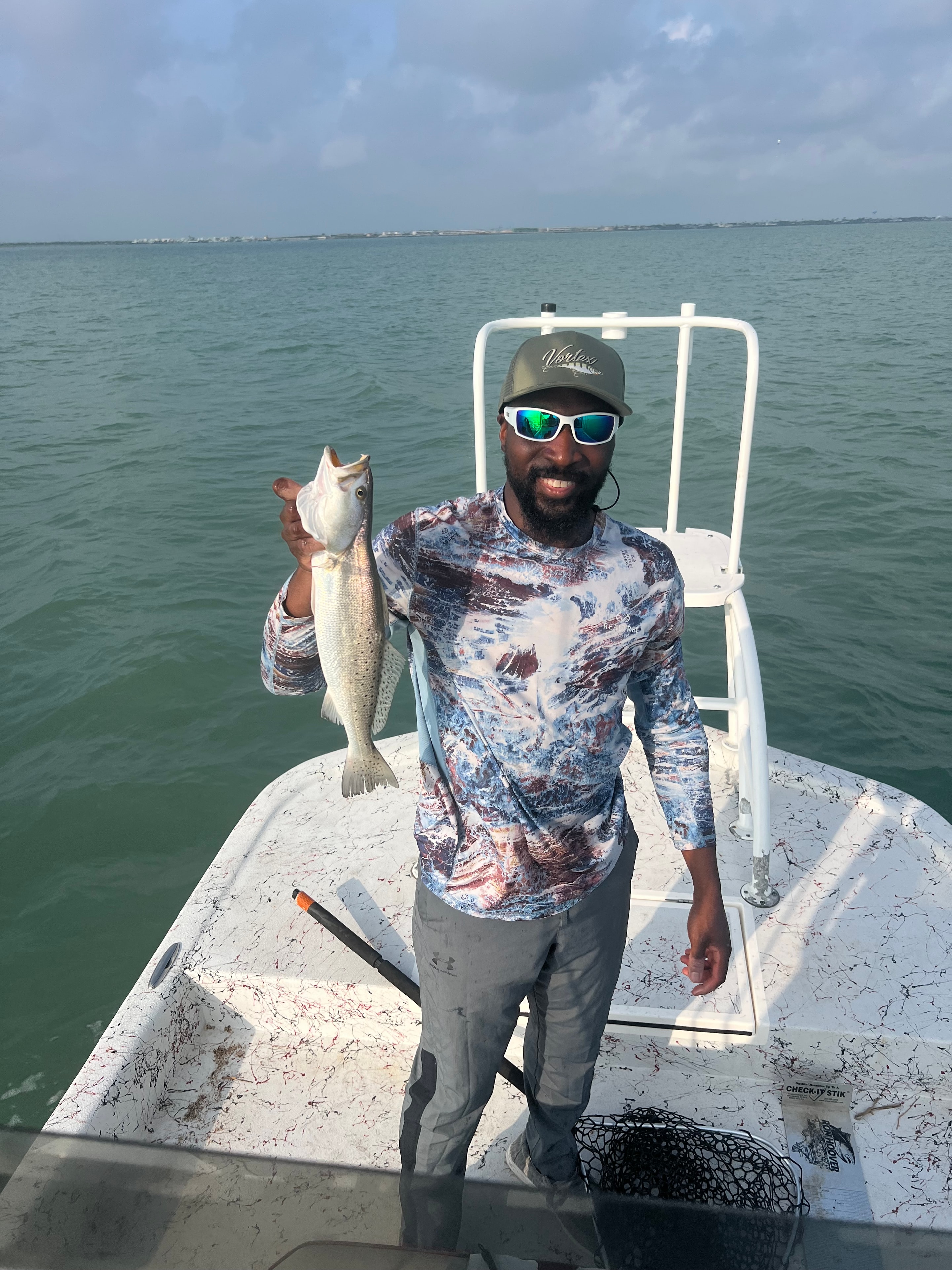
Speckled trout — also called spotted seatrout — are the most popular inshore target on the Texas Gulf Coast, and for good reason. They fight well, they are excellent table fare, and in winter they concentrate in predictable locations that make them very catchable.
In cold water, trout move to the deeper channel edges of the Intracoastal Waterway and the natural cuts that run through the Laguna Madre. They sit in 4 to 8 feet of water, feeding on mullet and shrimp when conditions are right. The key is water temperature: trout feed most aggressively on days when the water has had a chance to warm slightly from the overnight low. Mid-morning to early afternoon is often the best window.
Read more about trout tactics in the speckled trout fishing guide for the Laguna Madre.
Redfish
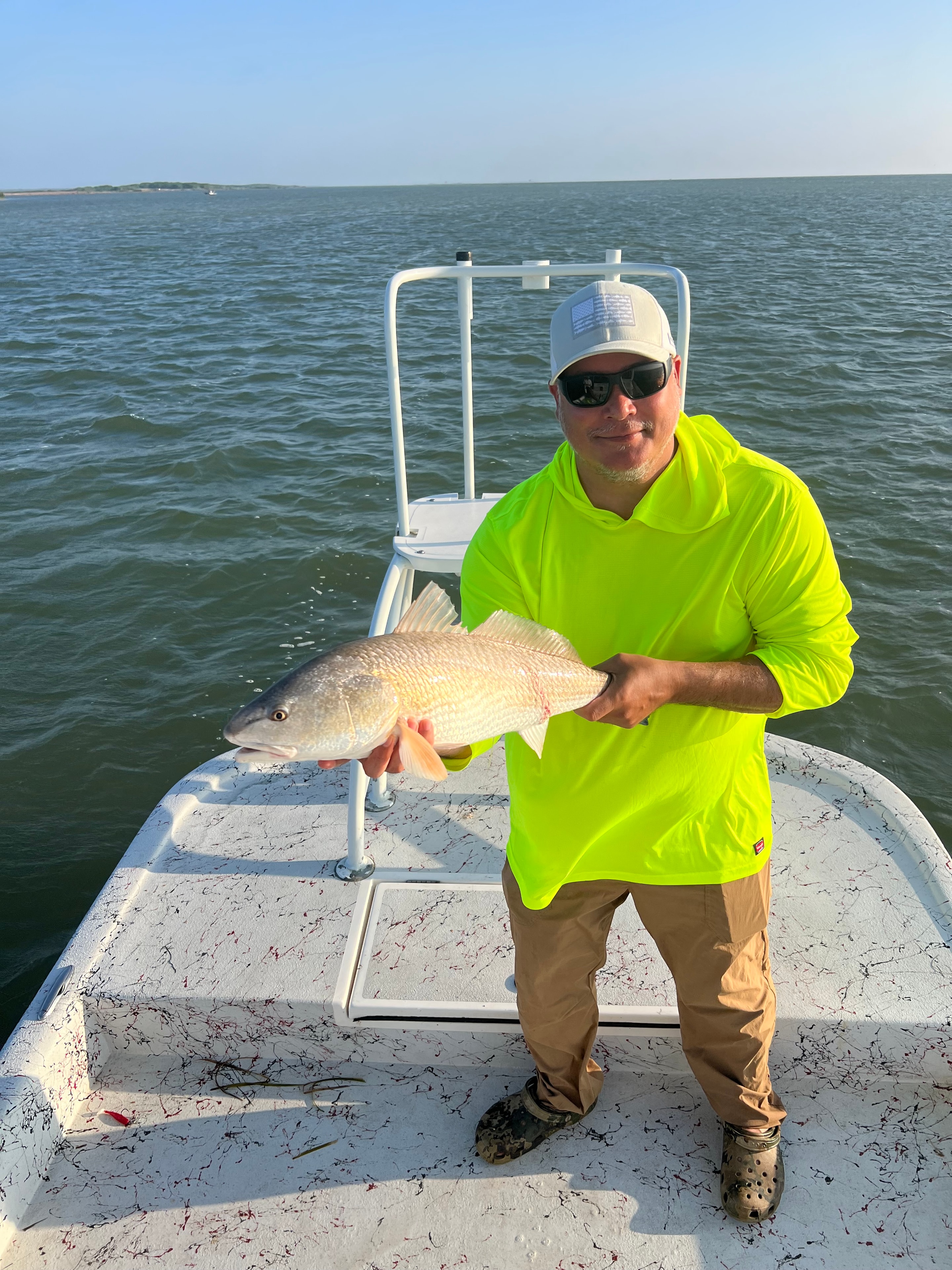
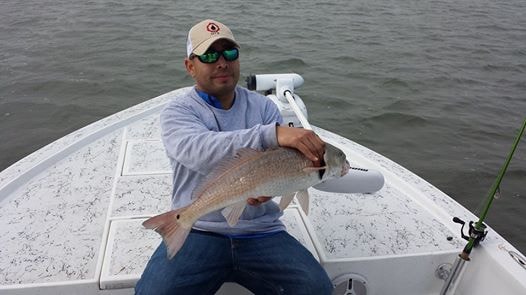
Redfish are the other marquee species on the Lower Laguna Madre, and they behave differently from trout in winter. Rather than going deep, redfish move onto shallow mud flats — particularly flats with dark bottom that absorbs heat from the sun. On a calm, sunny winter afternoon, you can find redfish tailing in two feet of water on the same flats where they feed all summer.
This makes winter redfish fishing visually exciting. You are often sight-casting to fish you can see, which is a different experience from most bay fishing. It requires patience and a quiet approach, but when it comes together it is some of the most memorable fishing the Laguna Madre offers.
For a deeper look at redfish behavior and tactics, see the redfish fishing guide for South Padre Island.
Black Drum
Black drum are the underrated species of the winter bay. They are large — commonly 10 to 20 pounds, occasionally larger — and they feed aggressively on oyster reefs and shell pads throughout the winter. They are not as glamorous as trout or redfish, but they are reliable, they fight hard, and they are excellent eating when they are in the 3 to 8 pound range.
For Winter Texans who want to put fish in the cooler consistently, black drum are often the most dependable option on cold-front days when trout and redfish are less active. Learn more in the black drum fishing guide for South Padre Island.
---
Gear Recommendations for Winter Bay Fishing
You do not need to bring a full tackle shop from home. Here is what actually matters for winter fishing on the Lower Laguna Madre.
Rod and Reel
A medium-light to medium spinning rod in the 7 to 7.5 foot range is the right tool for most winter bay fishing. Pair it with a 2500 to 3000 series spinning reel. This setup handles the soft plastics and live bait presentations that dominate winter fishing without being too heavy for the lighter lines you will use in clear water.
If you are buying new gear for the trip, you do not need to spend a lot. A mid-range combo from any major tackle brand in the $80 to $150 range will handle everything the Laguna Madre throws at you.
Line
Braid is the standard choice for bay fishing in South Texas. Ten to 15 pound braid with a fluorocarbon leader is the most versatile setup. The braid gives you sensitivity and casting distance; the fluorocarbon leader is nearly invisible in the clear, shallow water of the Laguna Madre, which matters in winter when fish can be spooky.
Use 20 to 25 pound fluorocarbon for the leader — about 18 to 24 inches is plenty.
Lures
Three lures cover most winter situations on the Laguna Madre:
Soft plastic paddle tails on a 1/8 to 1/4 oz jig head are the most versatile option. Work them slowly along channel edges for trout, or twitch them across shallow flats for redfish. Chartreuse, white, and natural shrimp colors all produce.
Suspending hard baits — MirrOlure MirrOdine and Corky-style lures — are deadly for winter trout. The slow, dying-shrimp presentation in cold water triggers strikes from fish that will not chase a faster moving bait.
Live or fresh-dead shrimp under a popping cork is the most beginner-friendly setup on the bay. It works for trout, redfish, and black drum, and it requires less technique than artificial lures. If you are new to bay fishing, start here.
What to Wear
South Texas winters are mild but mornings can be cool, especially on the water with wind. Dress in layers you can peel off as the day warms. A light fleece or hoodie under a windbreaker is usually enough. Polarized sunglasses are essential — they cut the glare on the water and let you see fish on the flats. Sun protection still matters in winter; the UV index on the bay is higher than most people expect.
---
Tactics That Work for Winter Texan Newcomers
Fish the Warming Trend
The single most important tactical concept for winter bay fishing is the warming trend. After a cold front passes and temperatures begin to rise, fish that were inactive during the front start feeding aggressively. The second and third day after a front — when skies are clear and the water is warming back up — are often the best fishing days of the month.
If you have flexibility in your schedule, pay attention to the forecast and plan your charter around a post-front warming window. Captain Kevin watches the weather closely and can advise on timing when you book.
For a full breakdown of how cold fronts affect fishing on the Laguna Madre, read the winter fishing tactics guide for South Padre Island.
Go Slow
Cold water slows fish metabolism. They are not going to chase a fast-moving bait the way they do in summer. Slow your retrieve down significantly — especially with soft plastics. Let the lure sink, twitch it once, let it sink again. The pause is often when the strike comes.
Fish the Right Time of Day
In winter, the best fishing is usually mid-morning to early afternoon. The overnight low drops water temperatures, and fish are sluggish until the sun has had a chance to warm the shallows. By 10 AM on a calm, sunny day, the flats are warming up and fish start moving. By 2 or 3 PM the bite often slows as the sun drops and temperatures start falling again.
Know the Best Spots
The Lower Laguna Madre has specific locations that consistently produce in winter — deep channel edges for trout, sun-warmed mud flats for redfish, oyster reefs for black drum. Captain Kevin knows these spots and puts clients on fish rather than spending the morning searching. For a map of the key winter locations, see the best fishing spots guide for South Padre Island in winter.
---
What to Expect on a Charter
A standard bay charter with Captain Kevin runs six hours. That is enough time to work multiple spots and target more than one species in a single trip. Most winter charters target trout first thing in the morning on the channel edges, then move to the flats for redfish as the day warms up.
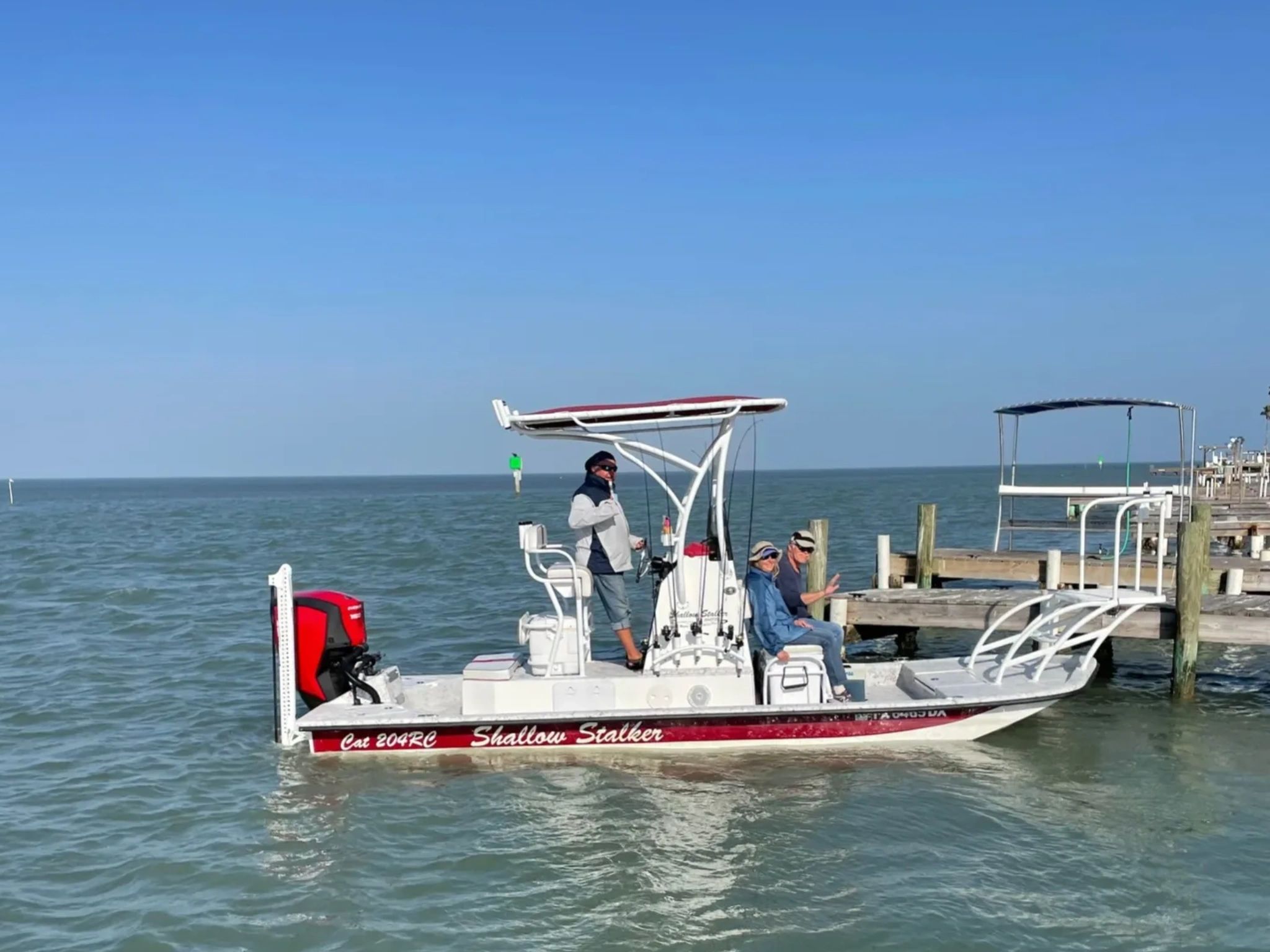
The boat is a Shallow Stalker bay boat — purpose-built for the skinny water of the Laguna Madre. It gets into areas that larger boats cannot reach, which matters for winter redfish on the shallow flats.
All tackle is provided. You do not need to bring rods, reels, or lures. Bring your fishing license (required for anyone 17 and older in Texas), sunscreen, polarized sunglasses, layers for the morning, and something to drink. Captain Kevin handles the rest.
Pricing is $550 for two anglers, with $100 per additional person up to four. A $100 non-refundable deposit holds your date. Book your winter charter here.
---
Frequently Asked Questions
Do I need a Texas fishing license as a Winter Texan? Yes. Anyone 17 or older fishing in Texas waters needs a valid Texas fishing license, regardless of where you live. You can purchase a license online at the Texas Parks and Wildlife website or at most bait shops near South Padre Island. A freshwater/saltwater combo license covers everything you will encounter on a bay charter.
What is the best month for Winter Texans to fish South Padre Island? All three winter months — December, January, and February — produce good fishing. January and February tend to have the most concentrated fish because water temperatures are at their lowest and fish have been stacking in their winter holding areas for weeks. December can also be excellent, especially in years when cold fronts arrive early.
Do I need fishing experience to enjoy a winter charter? No. Captain Kevin works with anglers of all experience levels, including complete beginners. The popping cork and live shrimp setup is easy to learn and very effective. If you have never fished before, a bay charter is one of the best ways to start — you are on the water with someone who knows exactly where to go and what to do.
How cold does it get on the water in winter? South Texas winters are mild. Morning temperatures on the water are typically in the 50s to low 60s Fahrenheit, warming into the 70s by midday on sunny days. Occasional cold fronts can drop temperatures further, but they pass quickly. Dressing in layers handles the morning chill comfortably.
Can I keep the fish I catch? Yes, within Texas Parks and Wildlife regulations. Speckled trout, redfish, and black drum all have size and bag limits. Captain Kevin follows all regulations and will walk you through what you can keep. Most clients take home a cooler of fillets — that is part of the experience.
Is the fishing better on the bay or in the surf in winter? For Winter Texans on a charter, the bay is the right choice in winter. The Lower Laguna Madre is protected from wind and offers consistent access to the species that concentrate in cold water. Surf fishing is more weather-dependent and less predictable in winter. The bay is where the fish are.
How far in advance should I book a winter charter? Winter weekends book up quickly, especially in January and February when the Valley is at peak seasonal population. Booking two to three weeks in advance is recommended for weekend dates. Weekday availability is generally more flexible. Contact Captain Kevin to check the calendar.
Ready to book your South Padre Island charter?
Spots fill fast — especially on weekends and holidays. Secure your date with Captain Kevin today.
Licensed USCG Captain · Private Bay Charters · South Padre Island, TX