March Fishing South Padre Island — Flounder Return and Spring Trout Patterns
March is the month the Laguna Madre wakes up.
After three months of cold-water patterns, the bay transitions fast in March. Water temperatures climb back through the 65°F to 72°F range, flounder that spent the winter offshore start trickling back into the shallow bays, and speckled trout shift from their sluggish winter mode into aggressive spring feeding. Add redfish moving back onto the warming flats and you have one of the most exciting and varied months of the year to fish South Padre Island.
Here is exactly what to expect.
Why March Is a Transition Month Worth Targeting
March sits at the intersection of two seasons. The winter patterns — stacked fish in predictable cold-water spots — are still partially in play early in the month. By the end of March, you are fishing spring patterns: active fish spread across the flats, flounder ambushing baitfish in the shallows, and trout that are done with their spawn and feeding hard to recover.
That transition creates opportunity. Fish that were locked into tight winter holding spots start moving, which means more water to cover and more ways to find them. Captain Kevin has been running March charters on the Laguna Madre for years, and this is consistently one of the most productive months of the year.
Target Species in March
Flounder
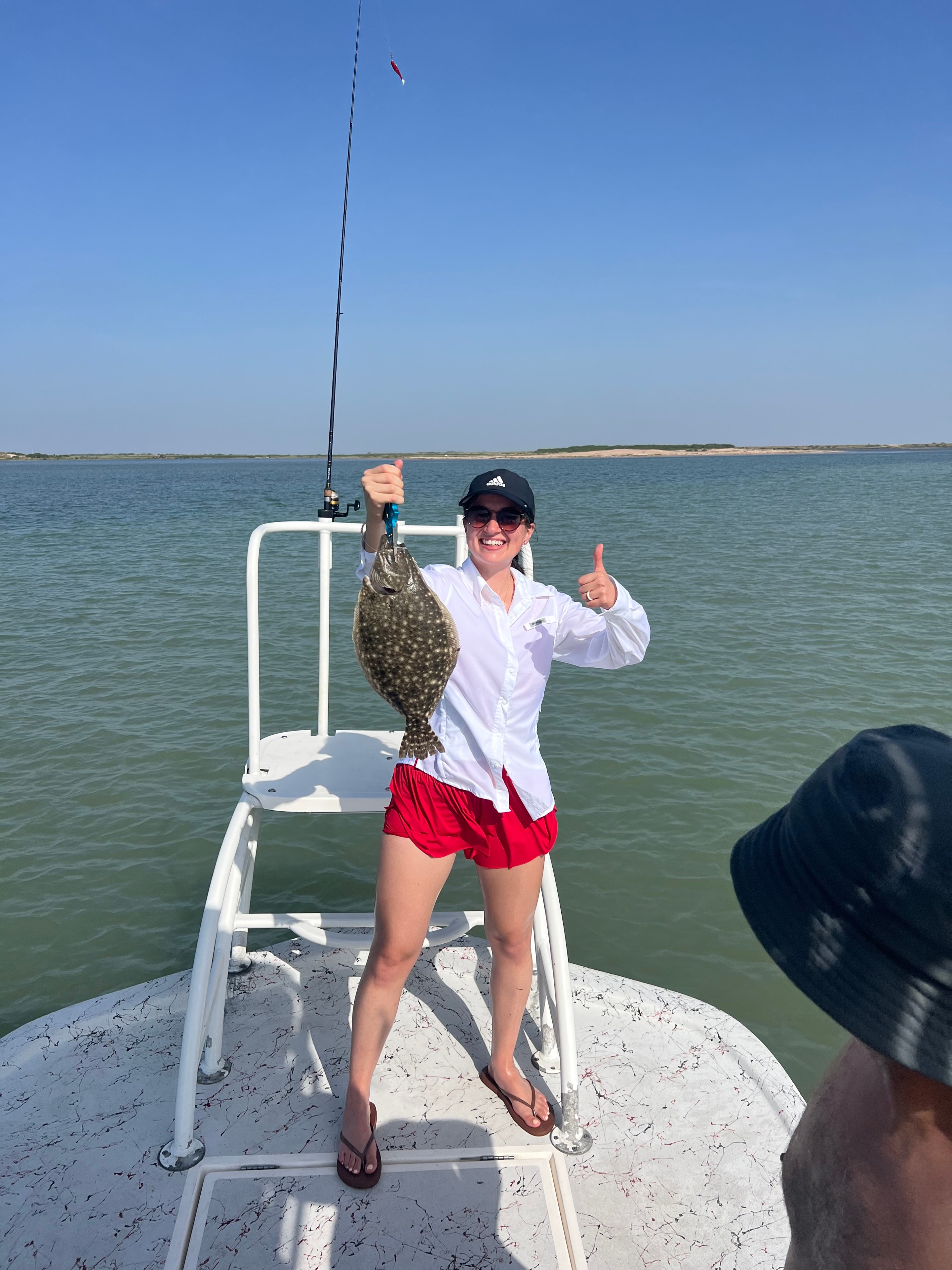
The flounder return is the signature event of March on the Laguna Madre.
Flounder migrate offshore in fall to spawn in the deeper Gulf waters. Starting in late February and accelerating through March, they begin moving back into the bays and estuaries. By mid-March, flounder are actively hunting in the shallow grass flats, channel edges, and sandy pockets throughout the Laguna Madre.
March flounder are hungry. They have been in the Gulf all winter and they are ready to feed. A flounder that has just returned to the bay is aggressive and less selective than a fish that has been in the same spot for months. That makes March one of the best times of year to target them.
Look for flounder on the edges of grass beds where sand meets vegetation, in the cuts and channels that connect the flats to deeper water, and around any structure — dock pilings, oyster reefs, bridge rubble — where baitfish concentrate. A slow-dragged soft plastic or live finger mullet worked along the bottom is the most consistent producer.
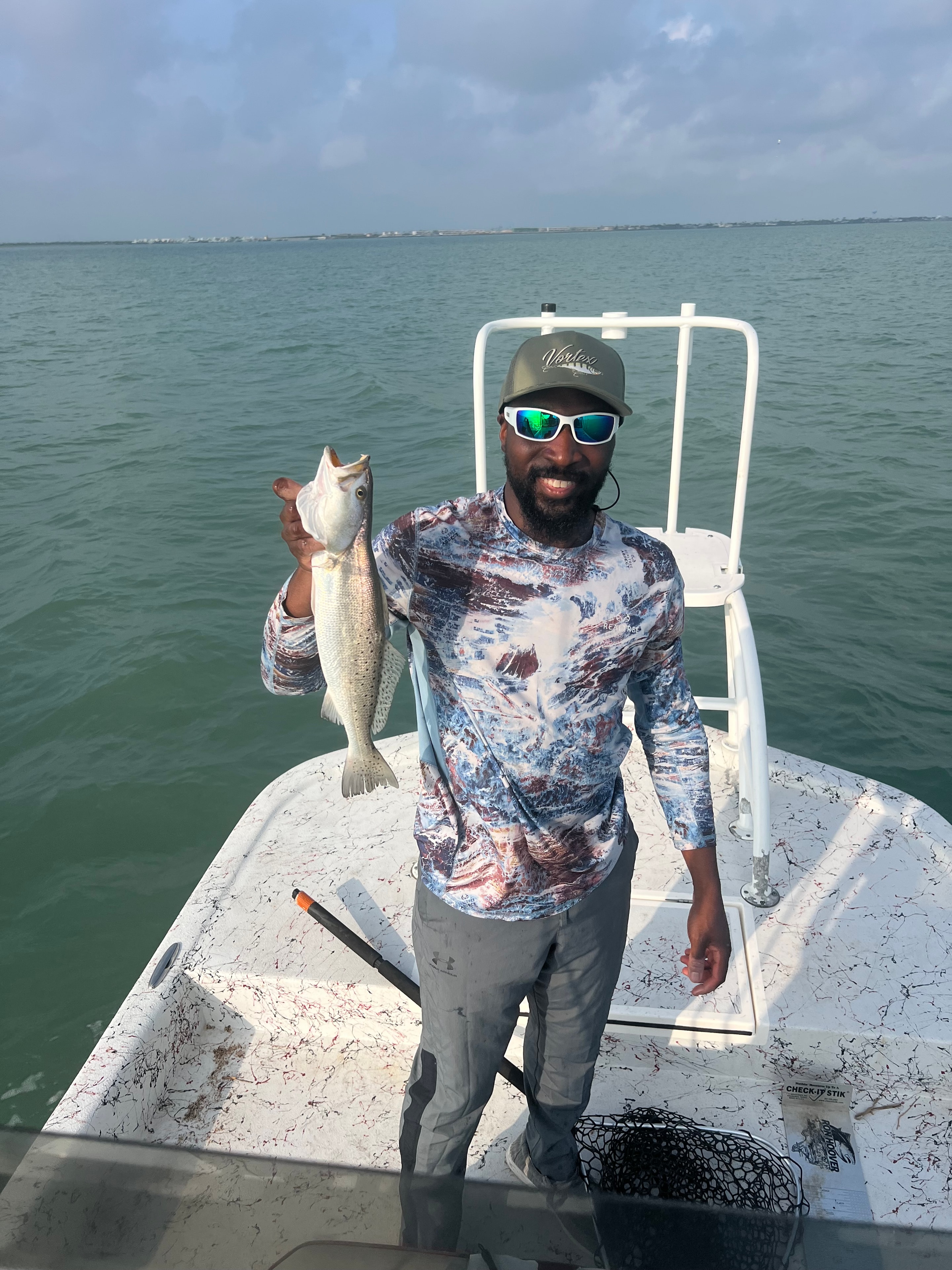
Speckled Trout
February is the pre-spawn peak for speckled trout. March is when the spawn actually happens — and the fishing around it is exceptional.
Early March trout are still in pre-spawn feeding mode, aggressive and stacked on the same grass bed edges and oyster reefs they have been using all winter. As water temperatures push past 68°F, trout begin moving into the shallower grass flats to spawn. Post-spawn trout in late March are recovering and feeding hard, which creates another excellent bite window.
The key shift in March is that trout spread out. Instead of being concentrated in a few deep holes, they are distributed across the flats. That means more water to cover, but it also means more fish in more places. Topwater lures start producing in March — one of the most exciting ways to fish for trout — as fish move into water shallow enough to chase surface presentations.
Redfish
Redfish are year-round residents of the Laguna Madre, but March marks their return to the shallow flats in force. As water temperatures climb, reds that spent the coldest months on dark mud flats and in deeper channels push back into the skinny water.
March redfish on the flats are sight-fishing targets. On calm, clear March days, you can spot tailing reds in water less than 18 inches deep and make a precise cast to a specific fish. That is as good as inshore fishing gets. The Shallow Stalker's flat-bottomed hull and shallow draft puts you in that water without spooking the fish — we can run in 12 inches of water, which is exactly where those March reds are.
Black Drum
Black drum are still present in good numbers through early March before they begin their seasonal movement out of the bay. Big drum — 15 to 30 pounds — are common on the oyster reefs and hard bottom areas. If you want to target drum, early March is your last reliable window before they thin out for the season.
Best Spots for March Fishing
Shallow Grass Flats — The seagrass beds of the Laguna Madre come alive in March. Flounder ambush baitfish along the grass edges, trout work the flats as they transition to spawn, and redfish tail in the shallowest sections. This is the primary March habitat.
Channel Edges — The cuts and channels that connect the shallow flats to deeper water are flounder highways in March. Fish moving back into the bay from offshore funnel through these channels. Work the edges with a slow bottom presentation.
Oyster Reefs — Still productive for trout, redfish, and the last of the winter drum. The upcurrent side of a reef concentrates baitfish, and predators stack up to intercept them.
Sandy Pockets in Grass — Flounder love to bury in sandy openings surrounded by grass. These ambush points are easy to overlook but consistently hold fish. Work the perimeter of any sandy pocket you find in the grass beds.
South Flats — The shallow south end of the Laguna Madre warms fastest in spring. Redfish return to these flats early in March, and the sight fishing here on a calm day is as good as it gets anywhere in Texas.
March Fishing Tactics
Cover more water than you did in winter. The fish are spreading out as the bay warms. March is not a sit-and-wait month — it rewards anglers who move, find active fish, and adapt to where the bite is happening.
Switch to topwater early. As water temperatures push past 65°F, topwater lures start producing for speckled trout. Early morning topwater fishing on a calm March day — working a walk-the-dog lure across a shallow flat — is one of the most exciting experiences in inshore fishing. The strikes are violent and visible.
Slow down for flounder. Flounder are ambush predators. They do not chase. A slow, bottom-dragging presentation — a soft plastic on a light jig head, barely moving — is far more effective than anything fast. Let the bait sit, twitch it, let it settle again. Flounder will pick it up off the bottom.
Watch the water temperature. March weather is variable. A late cold front can push temperatures back down and temporarily slow the bite. The best March fishing happens on the warming trend after a front passes — the second and third day after a cold front are often exceptional as fish that have been holding tight start feeding aggressively.
Fish the incoming tide. March tides push warmer water and baitfish onto the flats. An incoming tide on a sunny March afternoon is prime time for flounder, trout, and redfish all at once.
The Flounder Return — What It Means for Your Trip
The flounder return is one of the most anticipated events of the fishing year on South Padre Island. Flounder are exceptional table fare — mild, white, firm meat that is outstanding fried, baked, or stuffed. They are also a genuinely fun fish to catch: the strike is subtle, the fight is strong, and landing a 3-pound flounder on light tackle is satisfying every time.
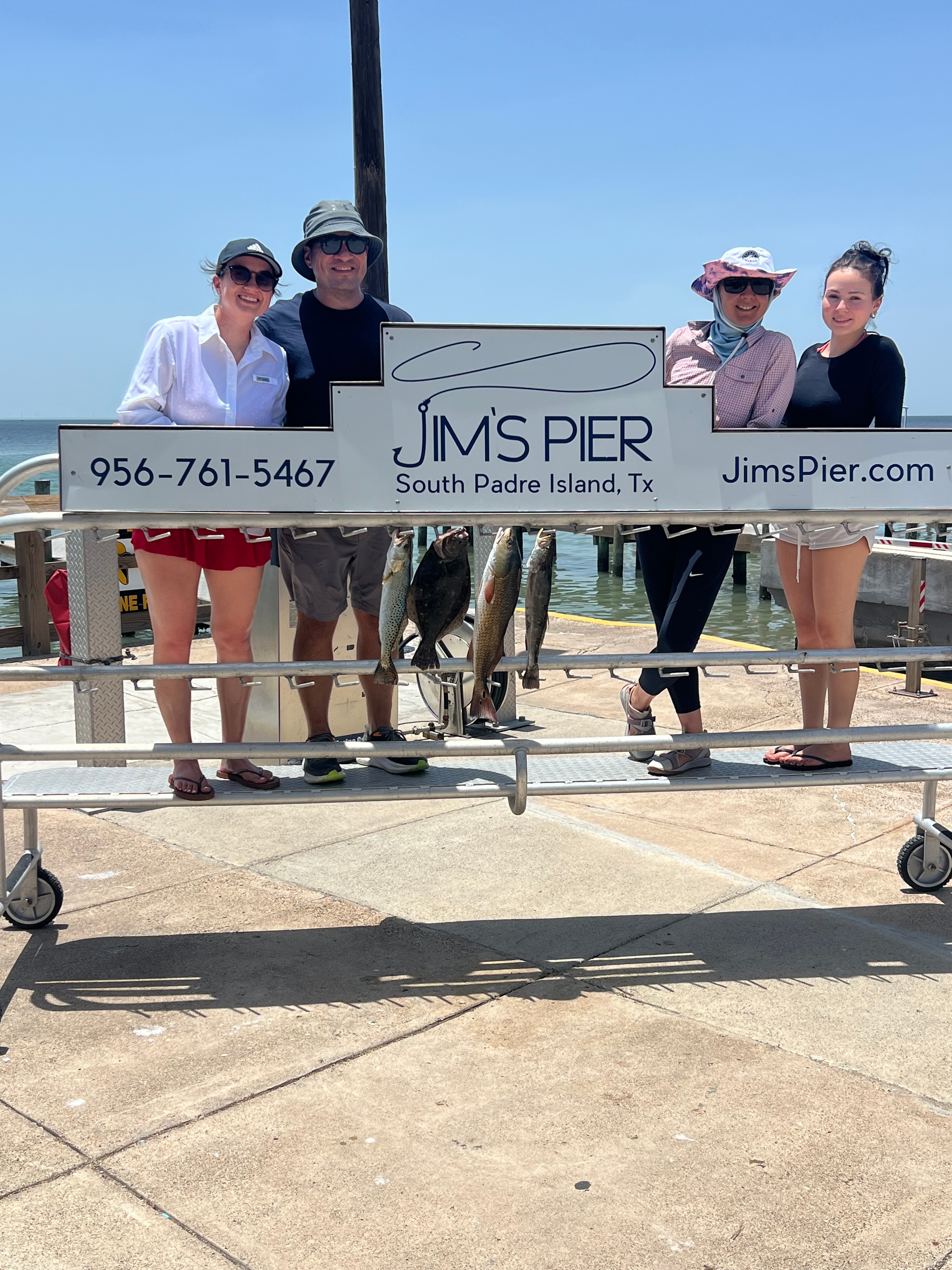
March flounder are not as concentrated as the fall migration fish, but they are actively hunting and less pressured. A March charter targeting flounder, trout, and redfish gives you a realistic shot at all three species in the same trip — which is exactly the kind of mixed-bag day that makes South Padre Island inshore fishing special.
Captain Kevin knows the specific grass flat edges, channel cuts, and sandy pockets where returning flounder set up in March. That local knowledge is the difference between a productive March trip and a frustrating one.
What to Wear in March
March weather on South Padre Island is transitional — cool mornings, warm afternoons, and the occasional late cold front.
- Light layers — A long-sleeve base layer and a light jacket for the morning; you will likely be down to a t-shirt by noon on most days
- Polarized sunglasses — Non-negotiable for sight fishing on the flats; March light off the water is intense
- Sunscreen — The spring sun is stronger than it looks, especially reflected off the water
- Light rain layer — March can bring brief showers; a packable rain jacket takes up no space and saves the day
March Charter Details
Captain Kevin runs private inshore bay fishing charters year-round out of South Padre Island.
- Charter rate: $550 for up to 2 anglers, $100 per additional angler (max 4)
- Duration: 6 hours on the water
- Deposit: $100 non-refundable deposit to hold your date
- All tackle and bait provided
- Fish cleaning included
March is a popular month — spring breakers, serious flounder anglers, and families looking for a spring trip all compete for the same dates. Book early.
Getting to South Padre Island in March
South Padre Island is a straightforward drive from most major Texas cities. McAllen is about 45 minutes south, Brownsville is 30 minutes, and Corpus Christi anglers make the three-hour drive regularly for a spring flounder trip. San Antonio and Houston anglers often turn it into a spring break weekend — drive down Friday, fish Saturday and Sunday, drive home.
March weather is generally mild and the drive is easy. Spring break traffic on the island picks up mid-month, so book your charter before the crowds arrive.
Book Your March Trip
March fishing at South Padre Island is the real deal. Returning flounder, spring speckled trout transitioning out of the pre-spawn, and redfish back on the shallow flats. This is not a slow month — it is the start of the best fishing of the year.
Call Captain Kevin at (956) 536-5539 to check March availability. Spring break dates book fast, so if you are planning a March trip, reach out now.
The flounder are coming back. The trout are moving onto the flats. The Laguna Madre is waking up.
Ready to book your trip?
Text Captain Kevin: 956-433-7287